

Biological research · Research insights
A three-person study explores a new angle on recurring UTIs
Three patients received an experimental phage-based approach, with microbiota treatment in two. Learn why the observations are promising but preliminary.
Recurrent infection can involve more than the episode that produces symptoms. Bacteria may persist in other locations, and the surrounding microbial community can influence what happens next. This makes combinations that address both a pathogen and its ecological setting an interesting research direction.
Latest breakthrough
A July 2026 Nature Microbiology case series describes an experimental phage-based approach for three women with recurrent urinary-tract infections; two also received faecal microbiota transplantation. The authors report good tolerability and fewer, less severe or absent symptomatic episodes during follow-up reaching twenty-four months, although E. coli remained detectable in some follow-up samples. This is an uncontrolled, three-person observation. It cannot separate the effects of each intervention, exclude other explanations or establish an effective routine treatment. The useful contribution is a clinical hypothesis about addressing more than one bacterial reservoir.
McCallin and colleagues. Nature Microbiology (2026). Read the original study.
How the method works
The report follows three people receiving an experimental phage-based intervention, with an additional microbiota intervention in two cases. The observations include symptoms, microbiological findings and follow-up over time. This design can generate a hypothesis about bacterial reservoirs, but it lacks a comparison that would reliably separate each intervention's contribution from other changes. Symptom improvement and absence of detectable bacteria are also different outcomes. Reading both together is necessary because a person may improve clinically while bacteria remain detectable in some samples.
A simple analogy
If several parts of a leaking system are repaired together and the leak becomes less frequent, the observation is encouraging but does not reveal which repair caused the change. That is the problem of interpreting combined interventions without a control. Infections involve evolving organisms and host responses, so the plumbing analogy cannot predict treatment effectiveness.
Why a phage differs from a general disinfectant
Bacteriophages are viruses that infect bacteria. Their interactions depend on biological compatibility, so a phage is not a universal agent against every bacterial strain. The microbial environment also contains organisms with different roles. Understanding that specificity helps explain why a clinical strategy requires careful specialist evaluation rather than simply adding phages to an infection.
Symptoms and detection answer different questions
Finding a bacterium does not by itself describe the full clinical state, and an improvement in symptoms does not necessarily mean every bacterial reservoir has disappeared. Our interpretation is that the case series is useful partly because it keeps those outcomes visible. Future studies can test whether a combined approach produces reproducible benefits using defined comparison groups and endpoints.
Hope should lead to controlled evidence
People with recurrent infections need dependable options, which makes new approaches worth investigating. A small case series is a starting point for that investigation. It cannot determine uncommon harms, the best patient group or the contribution of each treatment. Phage and microbiota interventions require clinical oversight; this article provides research context rather than a treatment procedure. For an anatomical view of the wider urinary system, the pig-kidney transplant review examines a separate clinical question rather than providing evidence for phage effectiveness.
Inspect the structure without assuming a clinical match
The gallery bacteriophage shows a faceted capsid, tail tube, segmented sheath and long tail fibres. These features illustrate how a tailed phage is organised. The model is not an identification of the phages used in the patients, and its shape does not predict host compatibility or therapeutic effectiveness. It helps readers understand the biological entity while keeping clinical evidence separate.
Related articles
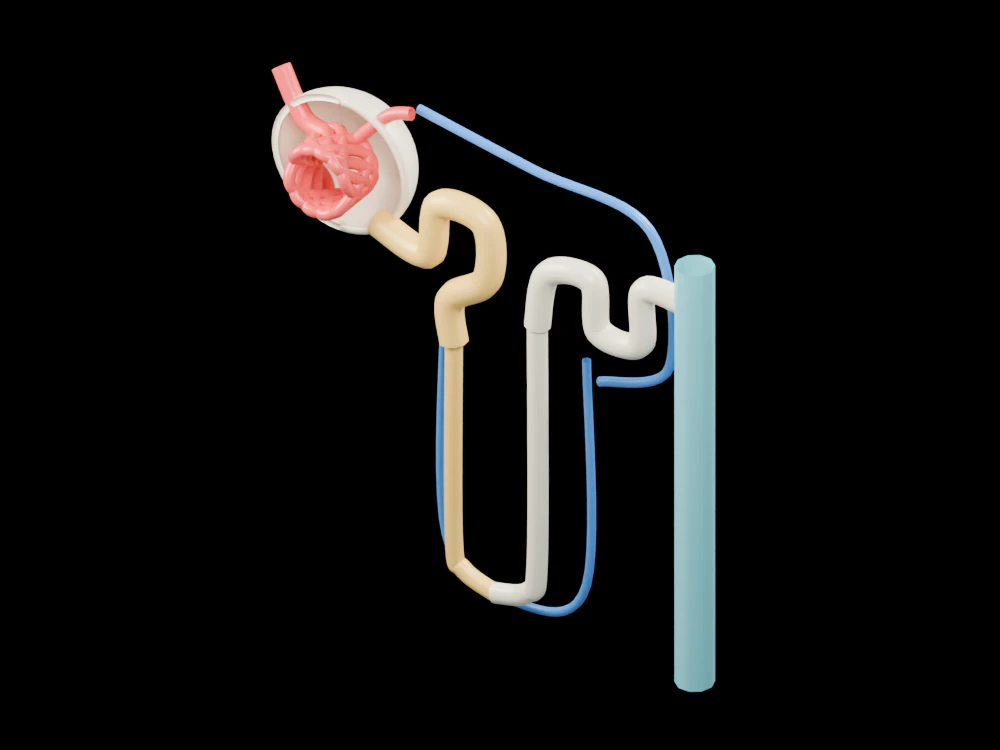 A pig-kidney transplant exposes an early immune hurdle
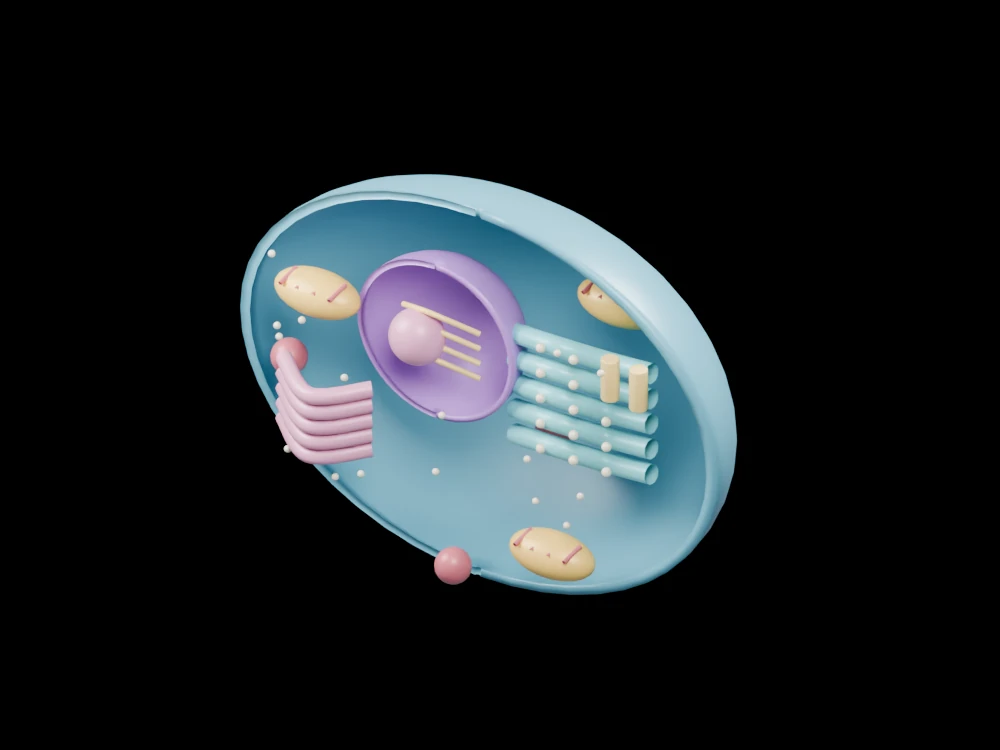 AI maps 36 million cells into a shared biological reference
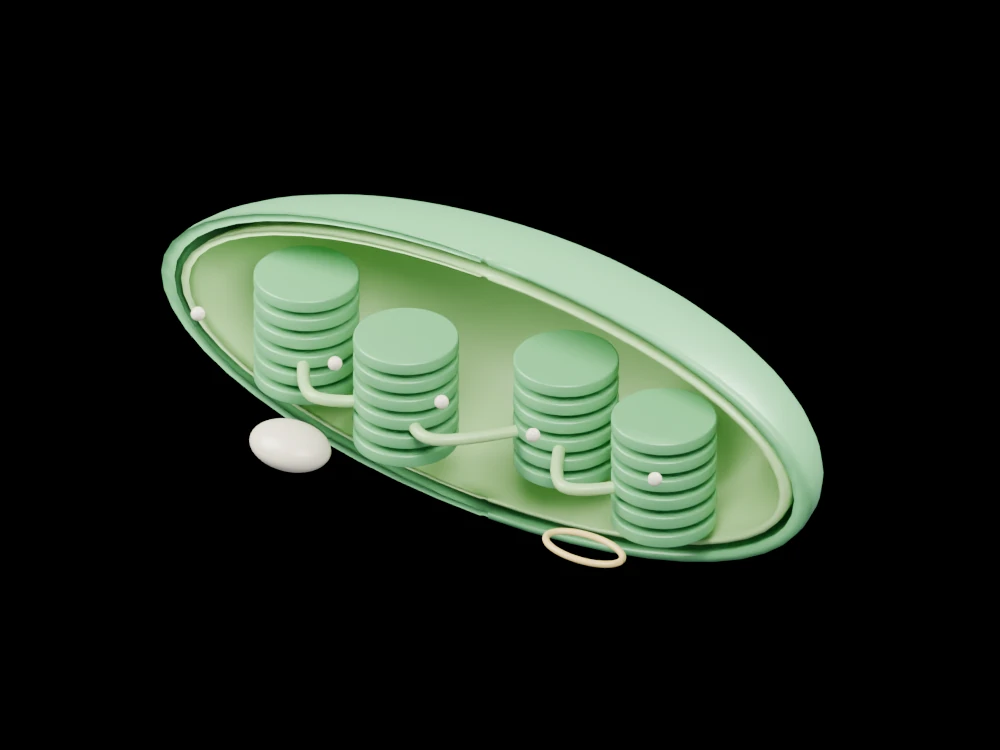 Rubisco changes improve photosynthesis in experimental plants
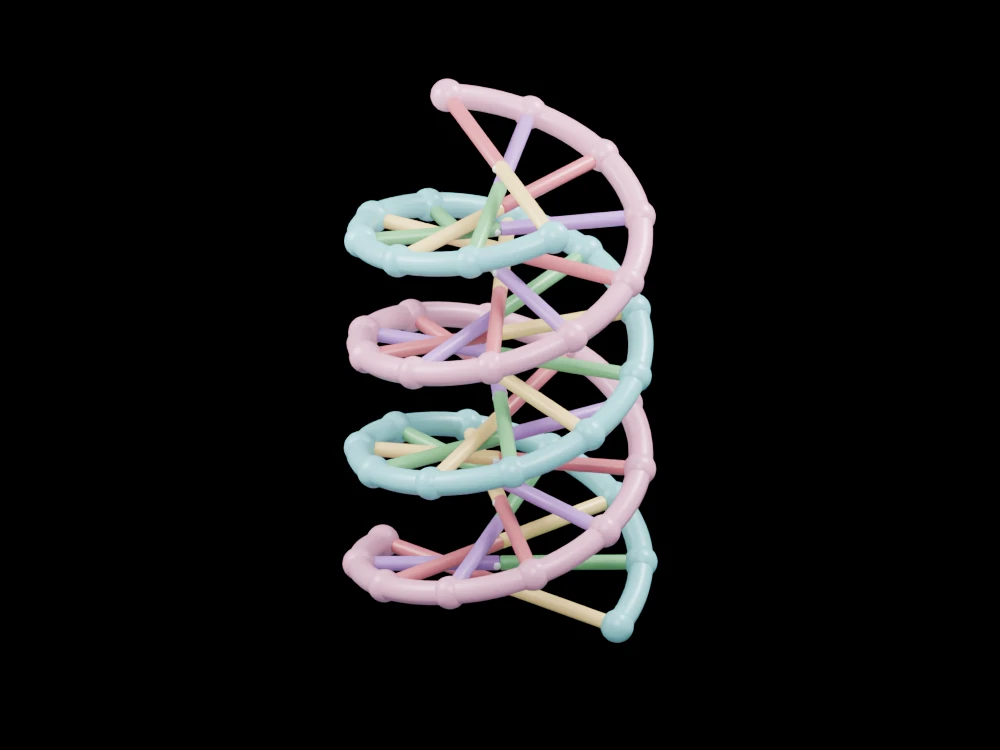 Evo 2 reads a million DNA letters at once: why that matters
 A flexible protein gate may explain traffic inside mitochondria
 A protein helps explain how developing leaf veins find direction