

Biological research · Research insights
Evo 2 reads a million DNA letters at once: why that matters
A 2026 Nature study trains a DNA foundation model across a vast genomic collection. Explore what long-context sequence learning can contribute to research.
The double helix explains how DNA is organised physically, but the biological meaning of a sequence depends on more than its shape. A short stretch can function within a much larger context. Genome-scale artificial intelligence asks whether patterns across that context can help researchers interpret biological information.
Latest breakthrough
Published in Nature in March 2026, Evo 2 is a biological foundation model trained on a curated collection containing nine trillion DNA base pairs. The reported architecture supports a context window of one million sequence tokens at single-nucleotide resolution. The study investigates broad sequence-based prediction and modelling capabilities across biological diversity. Its significance is the scale and context available to one model, rather than proof that every genomic change can now be explained. This review focuses on interpretation and scientific evaluation, not on instructions for generating or engineering biological agents.
Brixi and colleagues. Nature (2026). Read the original study.
How the method works
Evo 2 learns statistical structure from a large collection of DNA sequences and can process a long context at single-nucleotide resolution. A context window is the amount of sequence available together to the model; it is different from the total size of the training collection. Evaluating a foundation model means asking whether its learned representation supports useful tasks beyond memorising familiar examples. Genome-scale context may help capture relationships that short windows miss, but performance still depends on the task, the evaluation data and possible overlap with training material.
A simple analogy
Reading one word in isolation can miss its meaning in a paragraph. A longer context gives a reader more clues, just as a longer DNA window gives a computational model more sequence information. DNA is not ordinary prose, and statistical fluency does not establish a biological cause. The analogy explains context, not an ability to understand every organism.
Why nearby letters may be insufficient
A sequence element can participate in relationships that extend beyond a small local window. Reading more context can therefore be useful, but context length alone does not establish biological understanding. A model must still show that its outputs predict something meaningful on appropriate, independent tests. The distinction is similar to giving a reader a longer passage: more text creates an opportunity to understand, not a guarantee.
Why the study has attracted attention
Our interpretation is that a common model spanning a large genomic collection could make some research questions easier to compare and explore. It may help prioritise hypotheses for experimental work and reveal patterns worth investigating. The potential public benefit is a better research tool. Moving from a statistical prediction to a biological or clinical conclusion still requires carefully designed evidence.
Large training data can also hide limitations
Uneven representation, overlap between training and evaluation data, and differences between organisms can affect performance. A plausible prediction is not automatically a causal explanation or a clinical classification. Researchers should examine task-specific validation and uncertainty. Responsible use also requires attention to the consequences of the application, rather than assuming that a broadly capable model is suitable for every purpose. The difference between sequence information and cell-level measurements is clearer alongside the shared atlas of 36 million cells.
Separate DNA structure from sequence meaning
The gallery helix shows two backbones and illustrative base-pair levels. Rotate it to see the relationship between paired bases and the external structure. The displayed teaching sequence is not a measured genome, a disease variant or an Evo 2 output. The model explains the physical carrier of information, while the paper addresses computational learning from sequence data.
Related articles
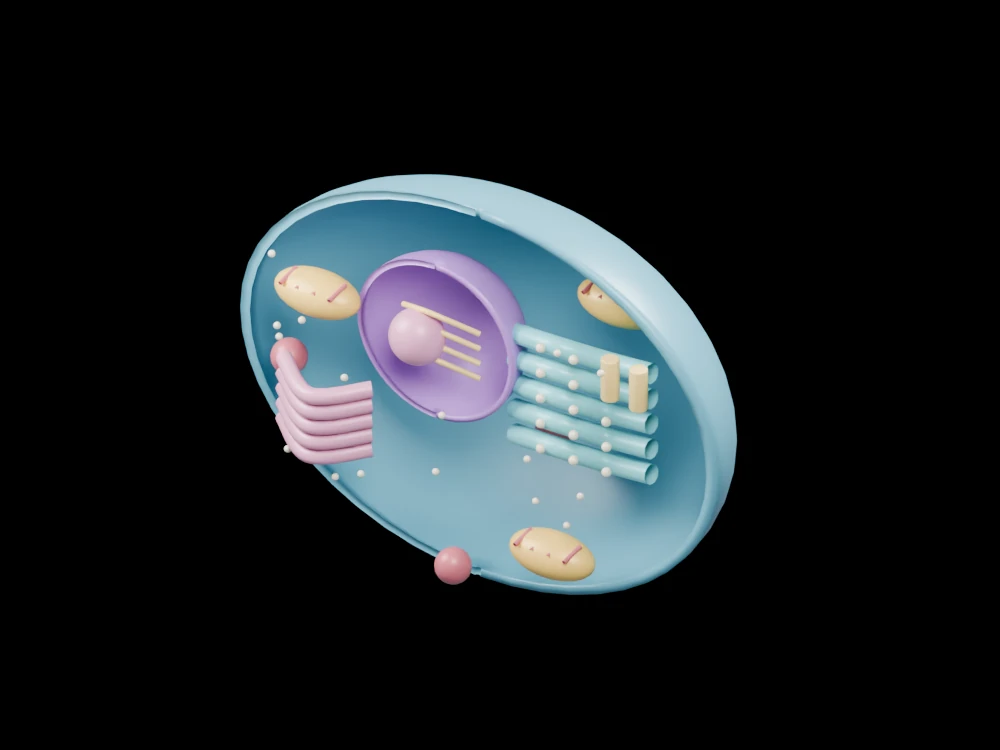 AI maps 36 million cells into a shared biological reference
 Rubisco changes improve photosynthesis in experimental plants
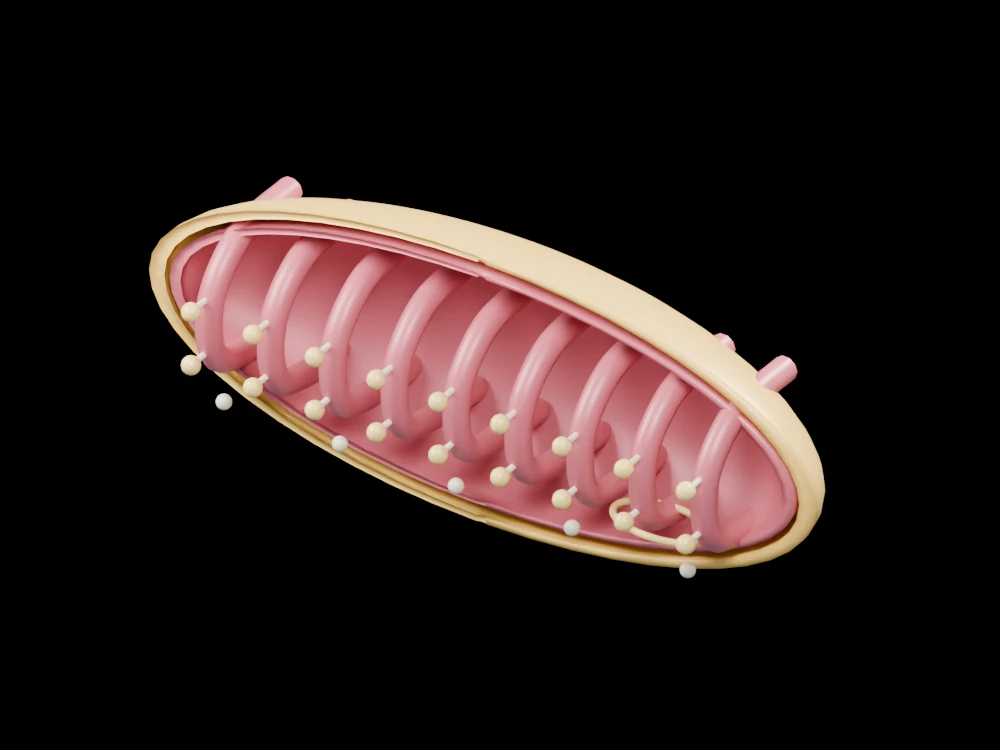 A flexible protein gate may explain traffic inside mitochondria
 A protein helps explain how developing leaf veins find direction
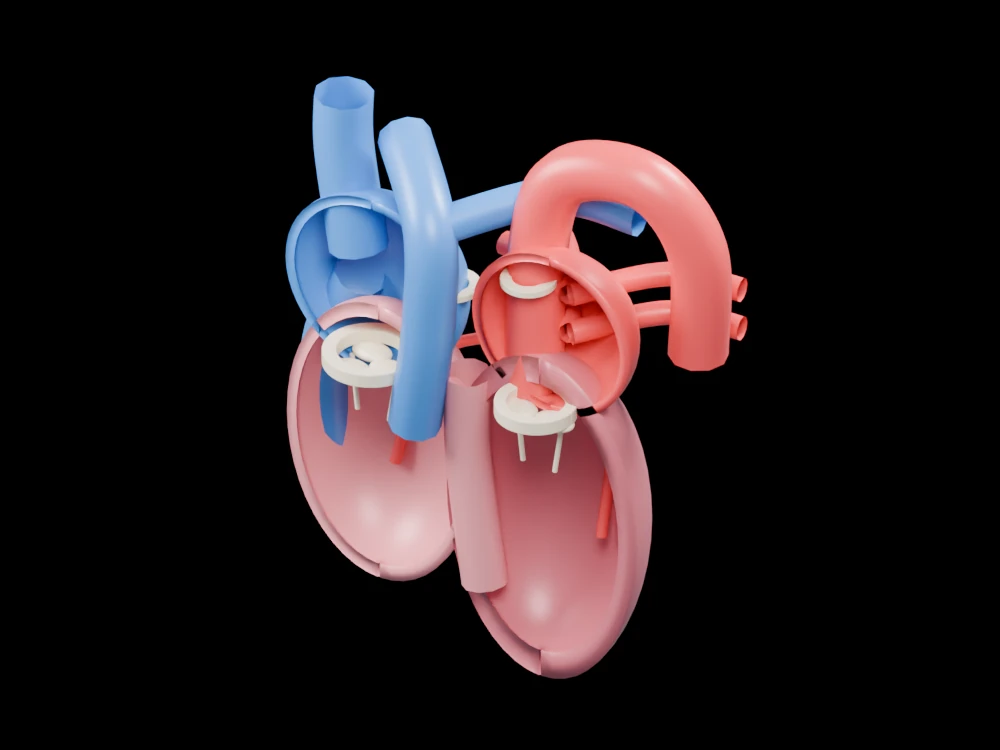 Lab-grown heart cells reach an early human trial: what did it show?
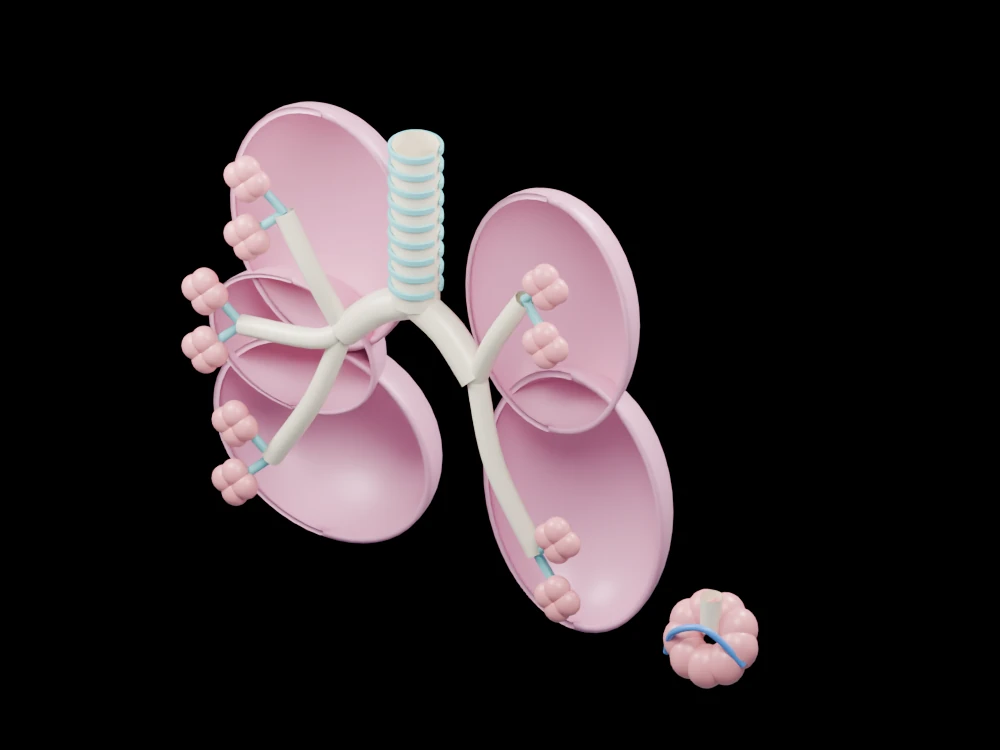 Lung repair crosses an anatomical boundary in a mouse study
 A pig-kidney transplant exposes an early immune hurdle
 Spinal stimulation strengthens arm movement in a small stroke study
 A three-person study explores a new angle on recurring UTIs
Explore the models
Sources and further reading
- Genome modelling and design across all domains of life with Evo 2 Published 4 Mar 2026