

Atomic research · Research insights
A table-top experiment reconstructs molecular orbitals in 3D
An ultrafast light source and reconstruction method reveal molecular orbital structure. Explore how measured molecular states relate to atomic carbon orbitals.
Orbital diagrams are usually presented as finished shapes, but obtaining experimental information about an electronic wavefunction is a demanding inverse problem. Researchers measure emitted electrons and reconstruct what those measurements imply about the state from which the electrons came.
Latest breakthrough
A June 2026 Nature Communications paper combines a short-pulse extreme-ultraviolet source, momentum-resolved photoelectron measurements and a reconstruction algorithm. The team demonstrates three-dimensional imaging of frontier molecular orbitals in the organic semiconductor PTCDA adsorbed on a silver surface. The approach reduces sampling demands and brings the experiment to a table-top light-source platform. This is a reconstruction from measured data with an associated model, rather than a conventional photograph of a free carbon atom. The molecular states also differ from the isolated atomic orbitals displayed in the gallery.
Bennecke and colleagues. Nature Communications (2026). Read the original study.
How the method works
The team recorded the momentum distribution of electrons emitted by extreme-ultraviolet light and used a reconstruction algorithm to infer three-dimensional orbital information. Momentum describes motion and direction; the detector does not directly record a familiar spatial photograph of the orbital. Reconstruction connects the measured pattern to an electronic-state model. The particular molecule and supporting silver surface are part of the experimental system. Reduced sampling demands are valuable because an indirect image must be built from sufficient measurements, but fewer measurements do not remove the need to validate the reconstruction.
A simple analogy
A medical scan combines measurements from which a hidden structure is reconstructed; a single detector reading is not already the finished image. Orbital reconstruction shares that broad logic of inference. The signals, equations and object being reconstructed are different, and an electron orbital is a quantum description rather than a miniature solid object.
From atoms to molecular states
The electron configuration of an isolated carbon atom is a useful starting point for discussing bonding. When atoms form a molecule, however, the relevant electronic states extend through a new combined environment. Their shapes depend on bonding and interactions with neighbouring material. A surface can further alter those states, which is one reason an interface is scientifically interesting.
Why a more accessible measurement platform matters
Our interpretation is that methods requiring less specialised infrastructure could make systematic orbital studies easier to organise. Researchers could compare materials or interfaces and ask how their electronic structure relates to transport or optical behaviour. The potential societal value lies in better tools for understanding materials used in electronics and energy technologies, with product-level improvements requiring separate measurement.
An image still needs an uncertainty model
Reconstruction depends on the measured data, the algorithm and the assumptions connecting them. Fewer samples can make an experiment more efficient, but they also make validation especially important. The paper demonstrates its approach on a particular molecular interface. Generalising to other materials or directly following a changing reaction requires additional evidence. The contrast with precision hydrogen spectroscopy is useful: energy differences and reconstructed spatial distributions provide different kinds of evidence about quantum states.
Compare atomic configuration with molecular measurement
Open the carbon-orbital model and identify the separated 1s, 2s and singly occupied 2p representations. Treat those as a teaching arrangement of atomic states. They are not physical shelves inside the atom or the molecular orbital images reported in the paper. The model helps establish the vocabulary needed to appreciate why bonding and a surface create a different electronic problem.
Related articles
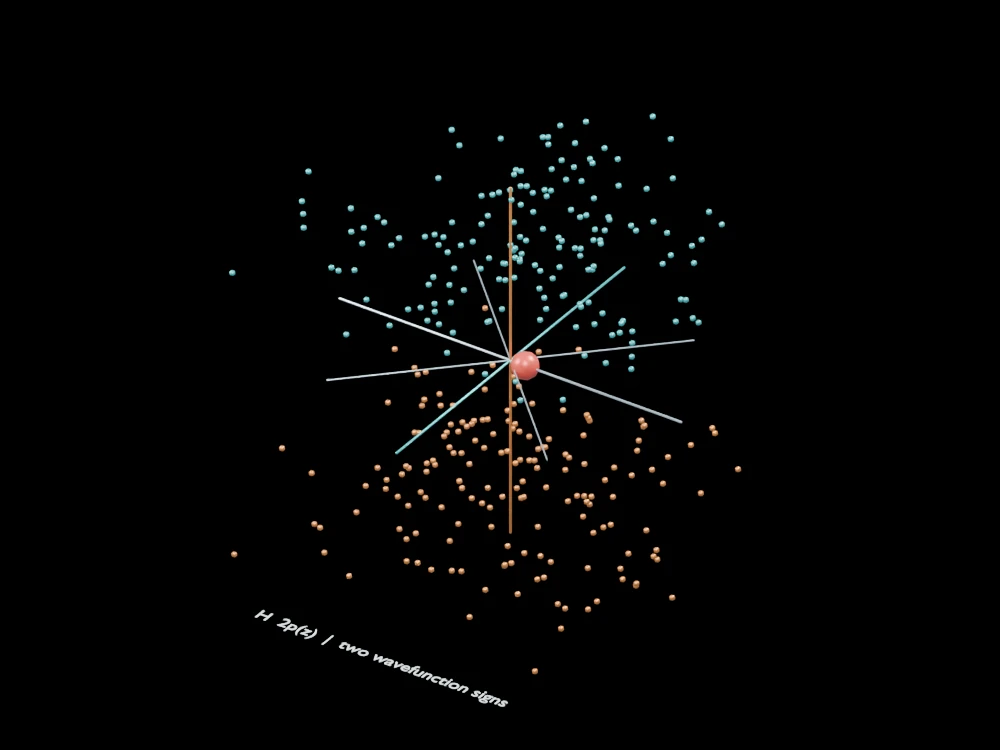 An atomic transition pushes the precision of hydrogen spectroscopy
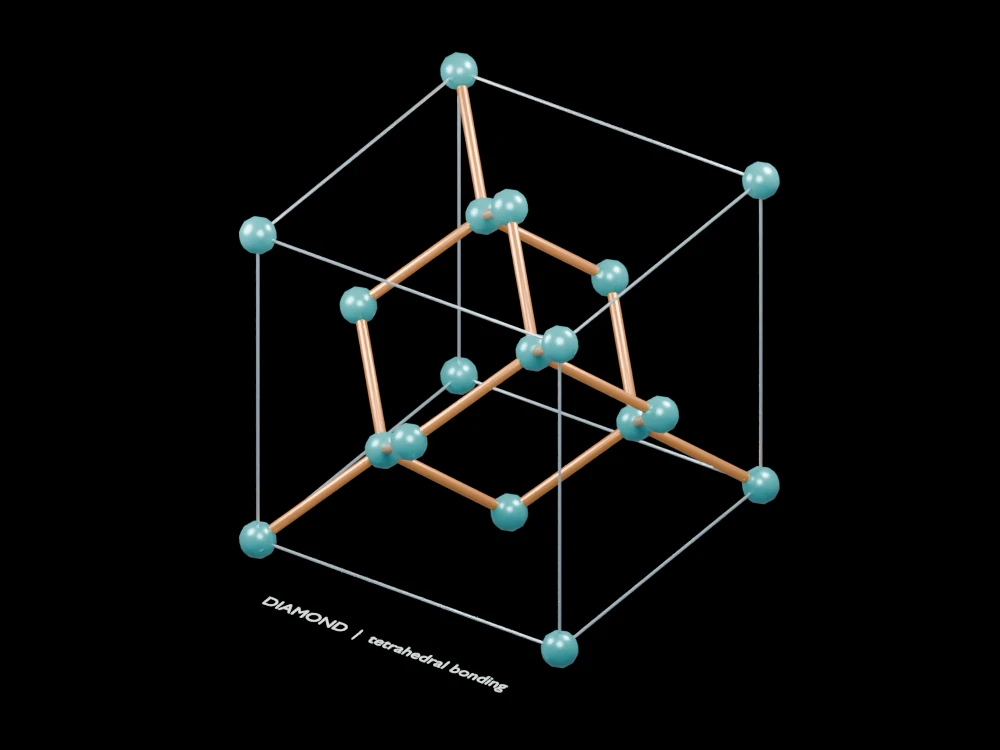 Researchers recover thin diamond made from graphene
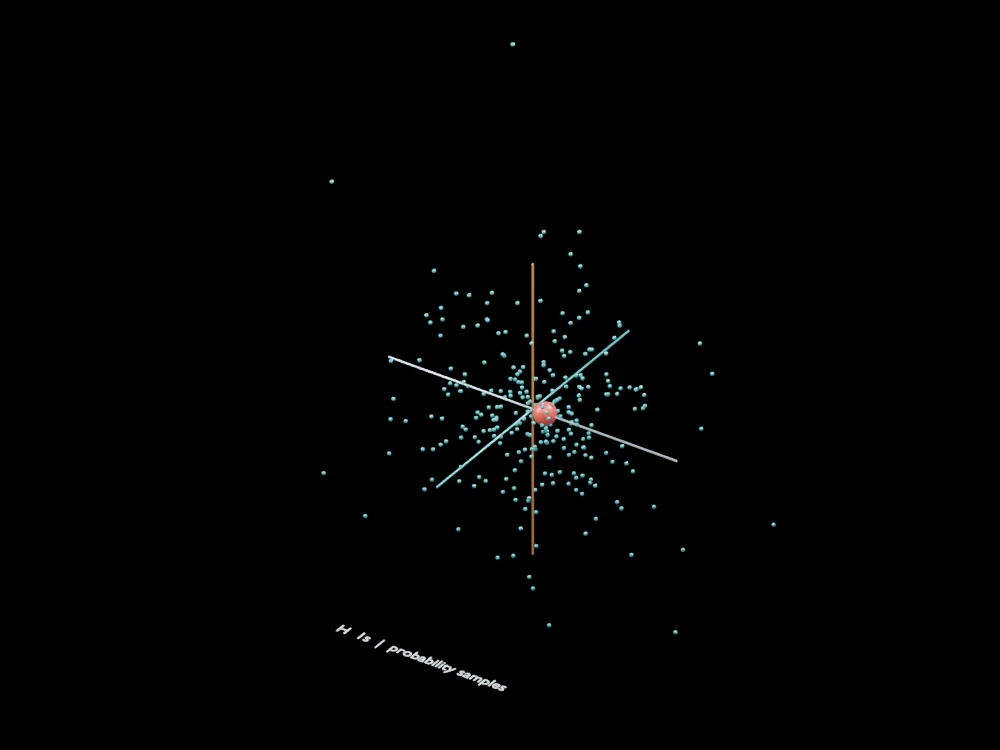 Hydrogen spectroscopy sharpens agreement on the proton's size
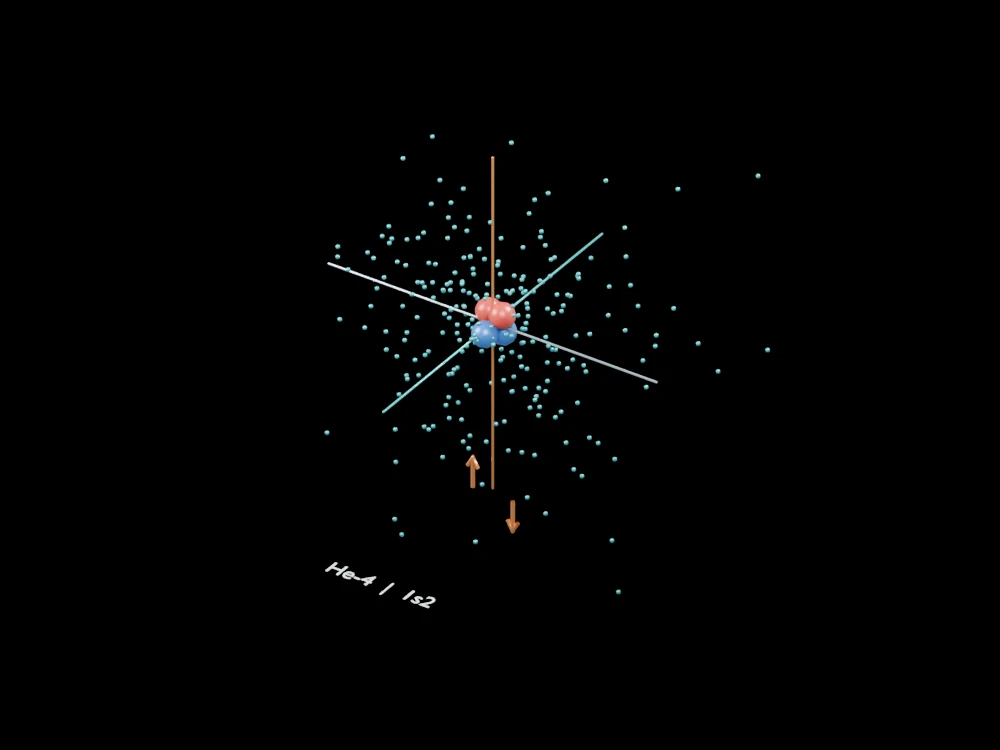 Helium droplets speed up a reaction on a femtosecond timescale
 Salt helps some airborne particles form ice in a cloud chamber