

Chemical research · Research insights
Shaping a liquid interface produces high-rejection filter membranes
A 2026 study controls polyamide membrane texture and reports strong sulfate rejection. Explore why membrane chemistry and module layout both matter.
A membrane module organises a large selective surface into a manageable device. Its performance starts at a much smaller scale, where the membrane forms and develops its surface structure. Research on that formation process can reveal ways to control permeability and selectivity together.
Latest breakthrough
A July 2026 Nature Chemical Engineering paper controls the mechanical behaviour of the water–oil interface during polyamide formation. The resulting membranes have organised hollow-ridge structures. The authors report sodium-sulfate rejection up to 99.8% with water permeance of 44.15 litres per square metre per hour per bar, and demonstrate module-scale fabrication. This is nanofiltration evidence for the tested salts and conditions. Sodium-sulfate rejection is not the same measure as sodium-chloride removal from seawater, and the figures do not establish that the produced water is suitable for every drinking-water use.
Tang and colleagues. Nature Chemical Engineering (2026). Read the original study.
How the method works
The membrane forms where water and oil phases meet. Controlling that interface's mechanical behaviour influences the polyamide layer's ridge structure. The researchers then evaluate separation performance and demonstrate fabrication at module scale. Rejection measures how strongly a tested solute is excluded; permeance describes water transport per membrane area and pressure difference. Both are needed because passing water rapidly is useful only if the required separation is retained. Performance for sodium sulfate under the reported conditions does not automatically establish removal of other salts or contaminants.
A simple analogy
A filter must offer routes for water while restricting what should stay behind. Changing its surface can alter that balance, rather like changing the arrangement of entrances to a screening area. Molecules do not behave like people at rigid doorways: charge, material interactions and fluid conditions also matter. The analogy helps separate throughput from selectivity.
The surface is formed by a moving interface
When a selective layer develops between two liquid phases, the interface can deform while the material grows. Its resistance to flow and deformation influences the emerging texture. That makes membrane formation a coupled physics-and-chemistry problem. The finished surface can affect the available transport area, while the selective material determines which species pass through it.
Why controlled fabrication is valuable
Our interpretation is that reproducible structure may be as important as an exceptional result on a small sample. Water-treatment equipment needs membranes that behave consistently over useful areas. A module-scale demonstration therefore addresses a practical step beyond a tiny coupon. The potential benefit is more deliberate control of water and solute transport, subject to the needs of a specific treatment process.
Real feed water adds new challenges
Fouling, cleaning cycles and mixtures of contaminants can change performance over time. A high rejection value for one salt cannot answer every treatment question. Long-term testing and a complete water-quality assessment are needed for an application. The study advances membrane fabrication; it does not remove the need to design the surrounding treatment system. Why salt identity and surrounding material matter is also evident in cloud-chamber experiments with sodium chloride, under very different physical conditions.
Unwrap the module conceptually
The gallery spiral-wound module shows layered membrane sheets, a perforated collection tube and feed and concentrate ports. Follow the separate routes for retained feed and collected permeate. This explains how a membrane surface becomes useful equipment. The visible layers are illustrative and do not reproduce the research coating, its nanoscale ridges or its measured separation performance.
Related articles
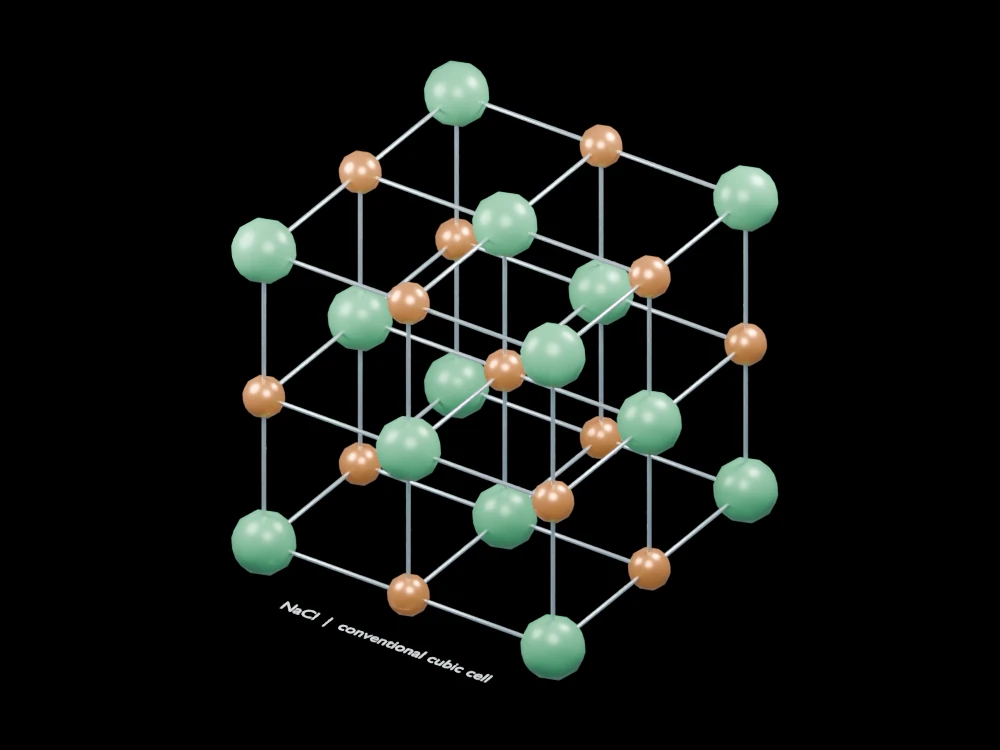 Salt helps some airborne particles form ice in a cloud chamber
 Sludge dewatering study shows why pressing harder is not enough
 Can a shorter cyclone still separate particles effectively?
 A pilot heat pump reuses distillation heat and reveals a trade-off
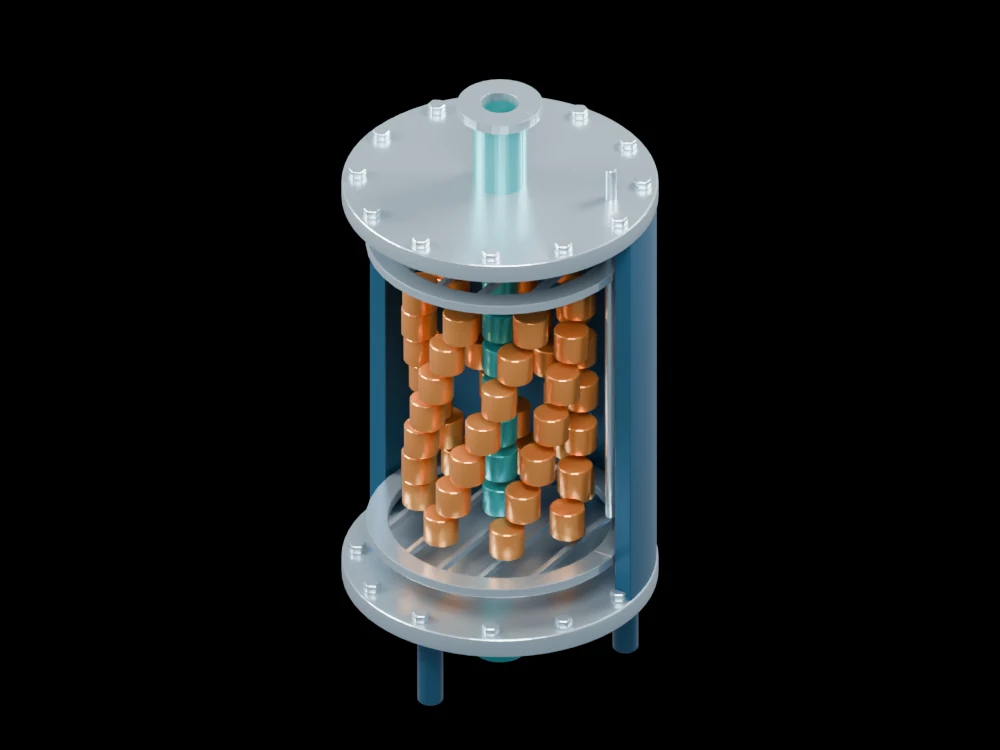 An electrically heated foam brings heat inside a catalyst bed
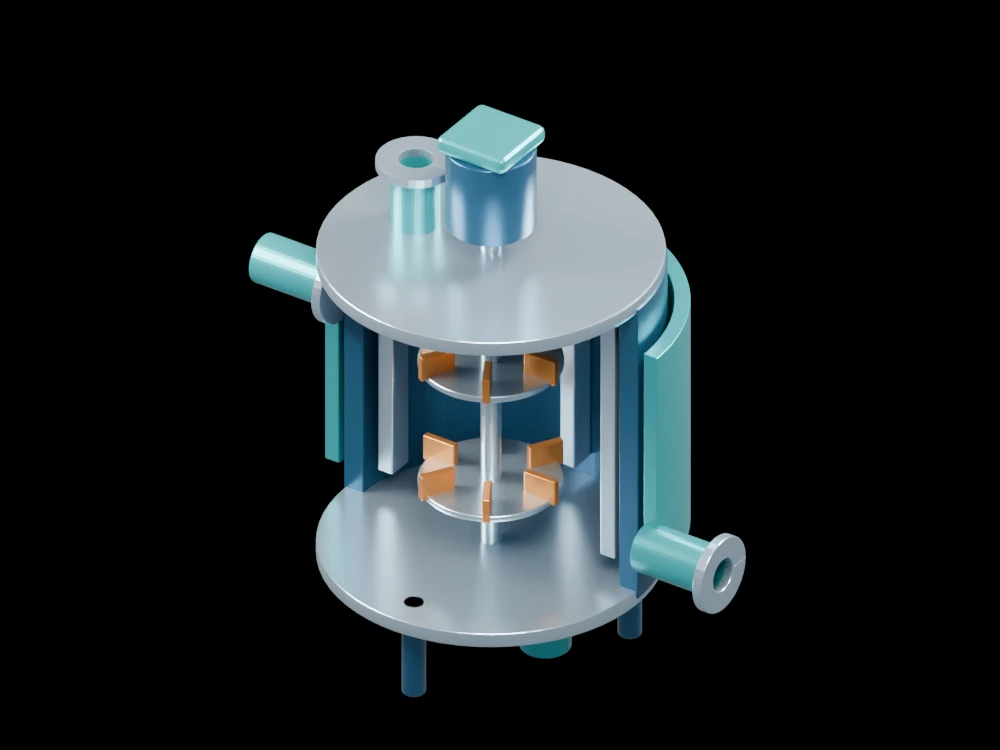 Colour and video reveal where a stirred tank mixes slowly
Explore the models
Sources and further reading
- Interfacial rheology for physics-based structuring of polyamide desalination membranes Published 13 Jul 2026