

Chemical research · Research insights
A pilot heat pump reuses distillation heat and reveals a trade-off
An ethanol–water pilot system recovers low-grade heat for distillation. Explore the measured performance and the energy–separation trade-off.
A distillation column needs heat at its base and removes heat near its top. That creates an appealing opportunity: could some rejected heat be upgraded and used again? A heat pump can connect those duties, but the combined system must still deliver the required separation.
Latest breakthrough
A 2026 Applied Thermal Engineering paper reports a pilot-scale closed-loop heat-pump distillation system for ethanol–water separation. The system upgrades heat from 60–66°C to a useful 90–105°C range. Its reported operating coefficient of performance reaches 5.01. The experiment also exposes a trade-off: at higher feed rates, strong heat recovery can coincide with lower ethanol recovery. The paper's annual-cost and emissions comparisons depend on its energy-price and system assumptions. The main advance is experimental evidence about the coupled operation of heat recovery and separation, including conditions where their objectives compete.
Zhao and colleagues. Applied Thermal Engineering (2026). Read the original study.
How the method works
The pilot system couples a separation process to a heat pump that raises the temperature of recovered heat. Coefficient of performance compares useful heat supplied with energy input to the heat-pump system; it is not the fraction of feed converted into ethanol product. Varying feed conditions exposes how heat recovery and separation interact. A good thermal result can coexist with poorer product recovery, so the variables need to be read together. Annual cost and emissions calculations then add assumptions about prices, energy sources and operation to the experimental measurements.
A simple analogy
Warm leftovers from one task can be useful for another only if they are made hot enough for that job. A heat pump performs that temperature upgrade using added energy. The analogy explains reuse, but does not mean heat can be recycled indefinitely without losses or that the separation step automatically improves when more heat is recovered.
What a heat pump contributes
A heat pump uses work to move heat to a more useful temperature level. It does not create useful heat without an energy input. In a distillation system, the temperature difference between the available heat and the required heating duty affects the challenge. The condenser, reboiler and compressor therefore need to be considered as parts of one energy system.
Separation remains the product
Our interpretation is that energy recovery should be evaluated alongside product quality and material recovery. Saving heat while losing more desired product may not be a good trade. The pilot result is valuable because it reveals that interaction in operation. For industry, the potential benefit is reduced demand for external heating, provided the complete process meets its production and quality requirements.
Local energy conditions change the economics
Electricity and steam prices vary between sites, as do their associated emissions. A favourable result under one set of assumptions cannot be transferred automatically to another plant. Fouling, maintenance and part-load operation also matter over time. A practical project would need a site-specific energy balance and operating study before claiming savings. Recovering heat also depends on how fluids exchange it, a design question explored in the numerical heat-exchanger study.
Trace the heat duties in the column
Open the tray-column model and locate its overhead condenser, reflux line, feed connection and reboiler route. Follow how rising vapour and descending liquid meet on the trays. Those connections show where a heat-recovery system would interact with the process. The gallery column is illustrative; it is not the pilot plant and contains no validated ethanol separation or compressor model.
Related articles
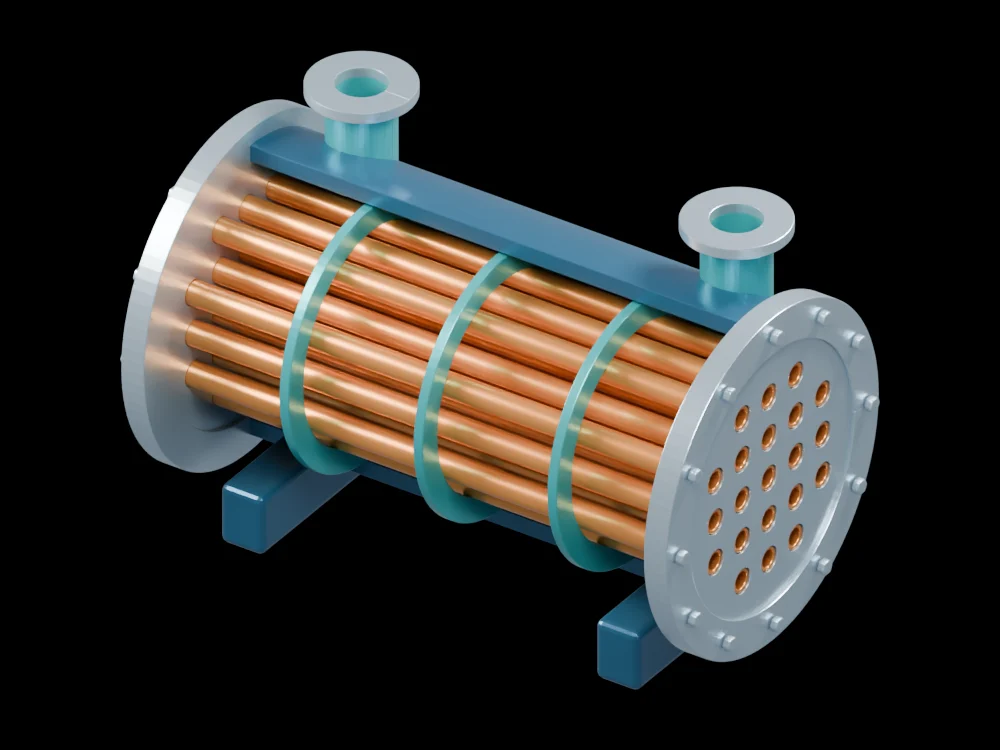 A numerical design twists exchanger walls to improve heat transfer
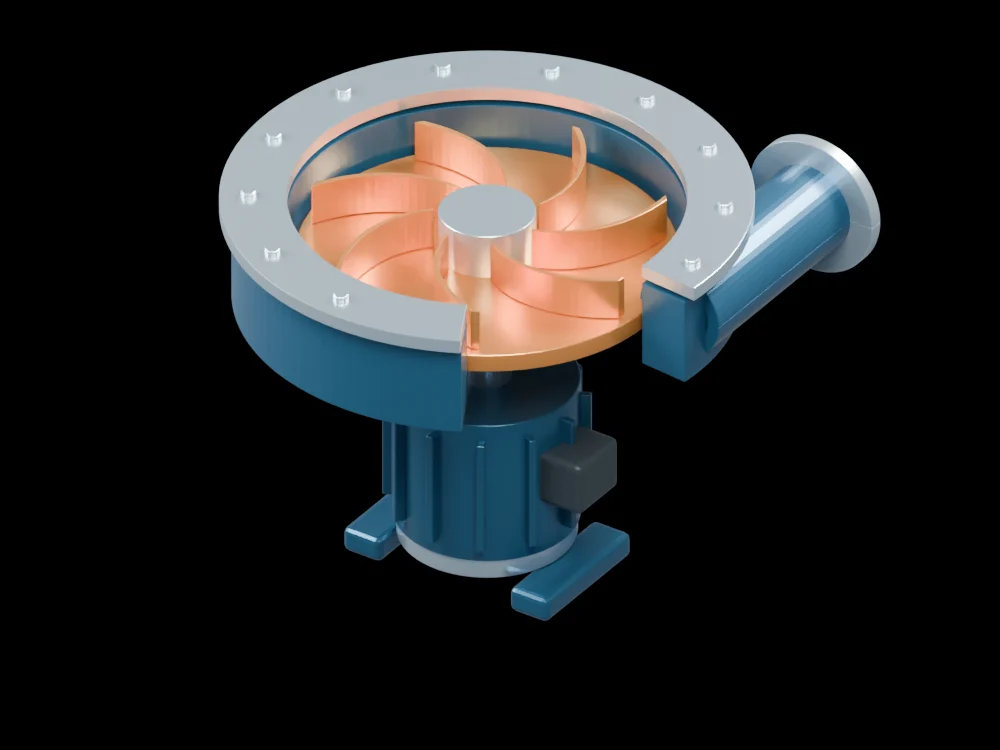 An accordion-inspired pump recreates complex flow waveformsA stretchable fibre becomes a pump that can be woven into clothing
 A superalloy’s oxide layer becomes a lubricant at extreme temperaturesHydrogen can damage hot turbine alloys through a hidden chemical reactionCooling channels built with the electronics remove heat closer to its sourcePrinted ceramic coatings reflect heat from curved metal surfacesA soft pump runs on energy collected by a triboelectric generatorA liquid-metal cooling elastomer changes shape to improve thermal contactA soft pump moves liquid without a rotating impellerA structured water film suppresses boiling bubbles while cooling hot airflowHeat drives a shape-memory cooling cycle in a small prototypeX-rays catch crystals turning while a turbine alloy is laser-remeltedPrinted lattices strengthen turbine cooling in controlled rig tests
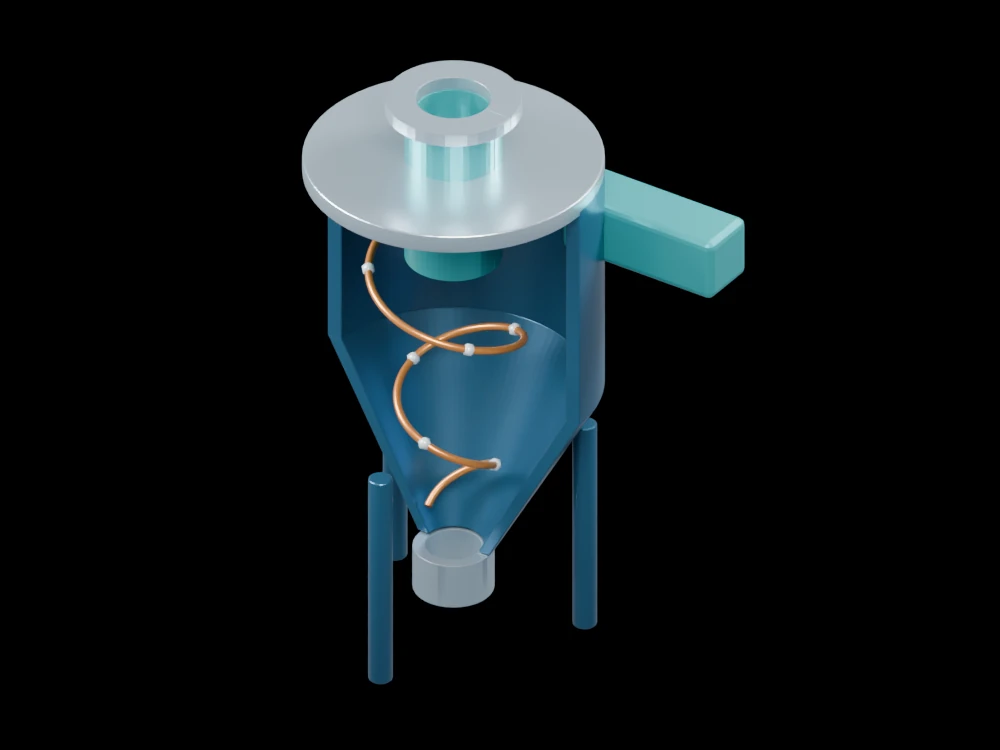 Can a shorter cyclone still separate particles effectively?
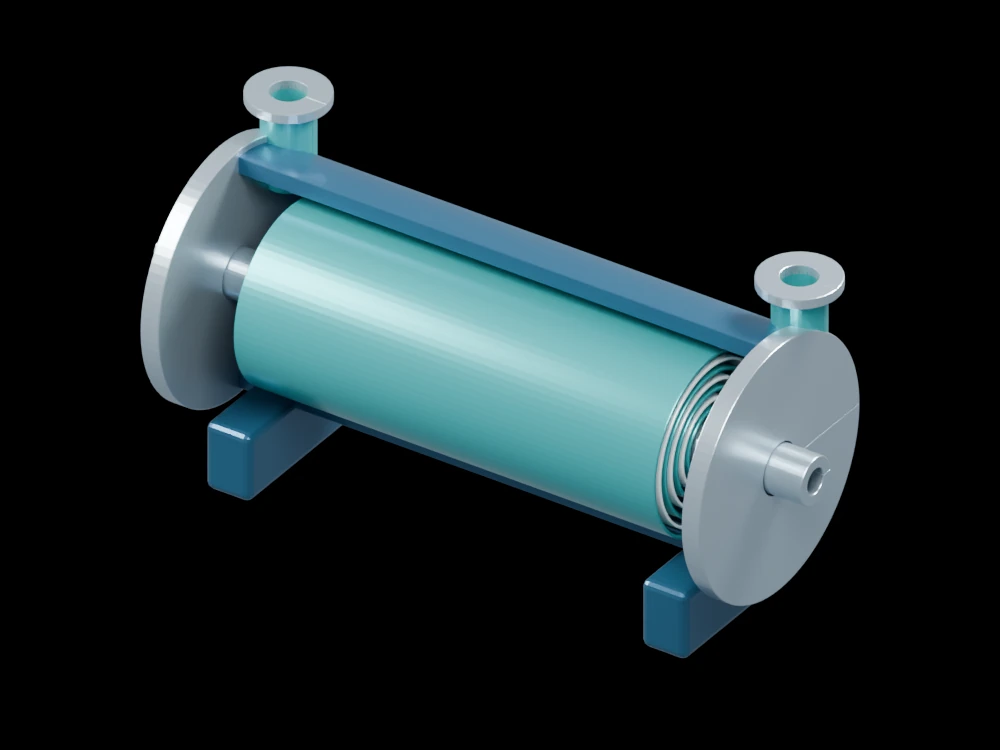 Shaping a liquid interface produces high-rejection filter membranes
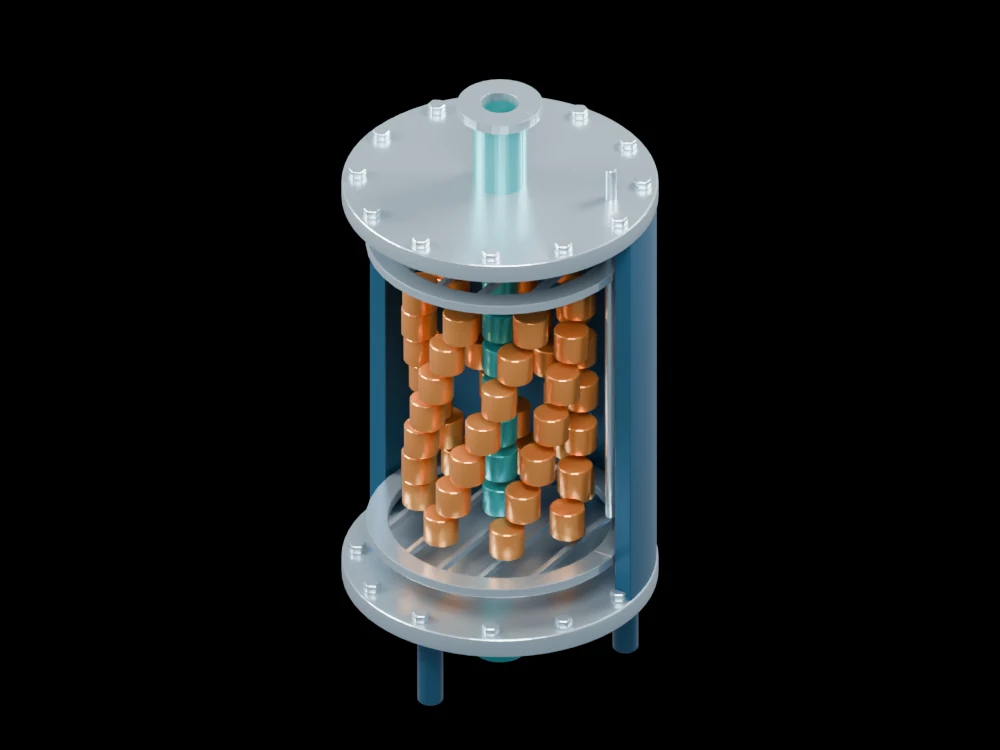 An electrically heated foam brings heat inside a catalyst bed
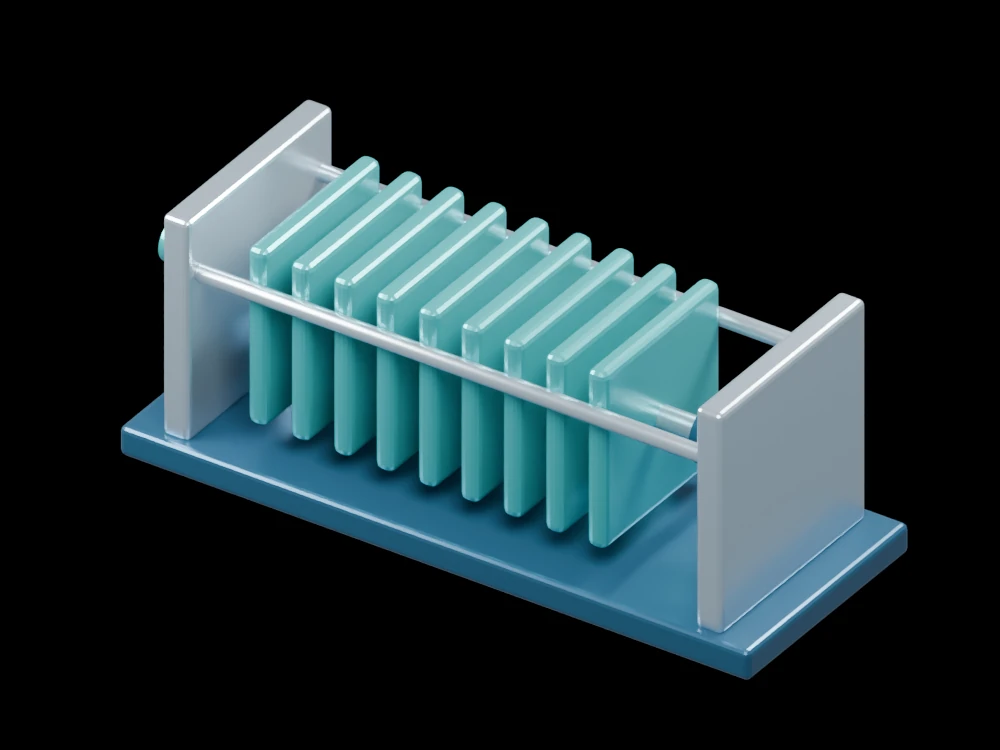 Sludge dewatering study shows why pressing harder is not enough
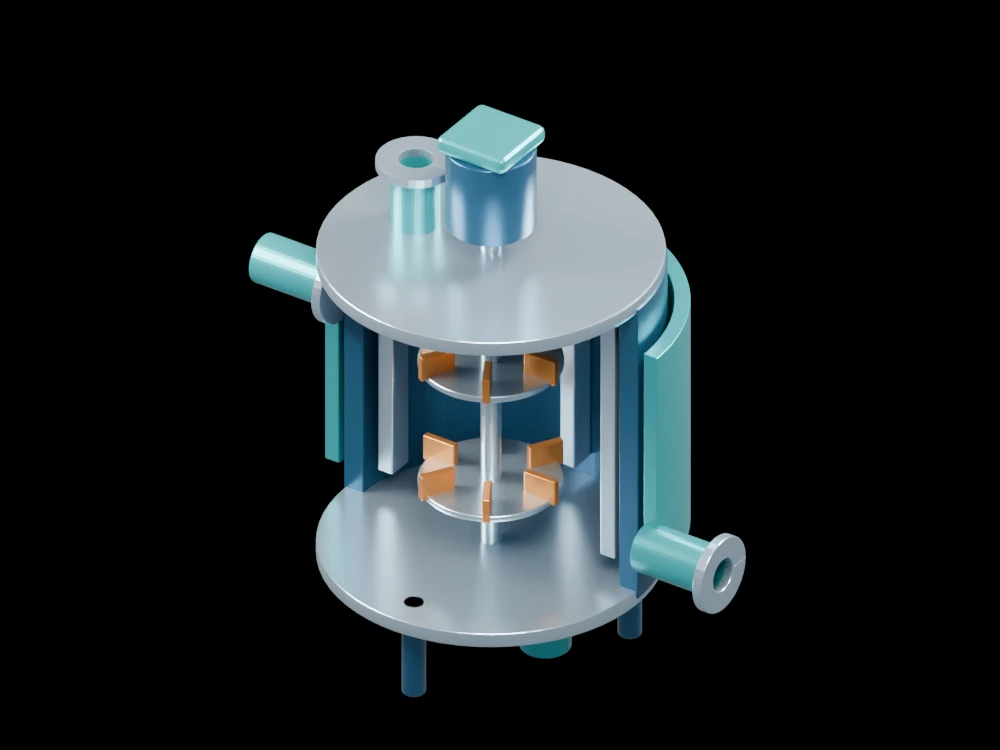 Colour and video reveal where a stirred tank mixes slowly