

Chemical research · Research insights
An electrically heated foam brings heat inside a catalyst bed
A conductive foam heats catalyst pellets directly in a reforming experiment. Learn why heat placement matters and why electrification alone is not zero-carbon.
A packed-bed reactor often needs heat to reach catalyst surfaces distributed throughout a volume. Supplying that heat through an external wall can create uneven temperatures. Electrification offers a different possibility: generate heat closer to the places where a reaction consumes it.
Latest breakthrough
A 2026 International Journal of Hydrogen Energy paper demonstrates a silicon-infiltrated silicon-carbide foam heated electrically, with catalyst pellets packed inside its openings. Experiments on steam methane reforming report power inputs up to 10 megawatts per cubic metre, and a two-dimensional model is checked against experimental data. The authors also examine a scale-up concept based on electrically connected foam sections. This is a demonstrated reactor-heating concept. Because the process reforms methane, electric heating alone does not remove the feedstock-related carbon dioxide or establish zero-carbon hydrogen.
Nicolini and colleagues. International Journal of Hydrogen Energy (2026). Read the original study.
How the method works
The electrically conducting foam supplies heat within a structure that holds catalyst pellets. Measurements during steam methane reforming assess the resulting operation, while a two-dimensional model is compared with experimental data. A volumetric power input expresses energy supplied per unit reactor volume; it does not directly state hydrogen efficiency or lifecycle emissions. The scale-up discussion uses connected sections to explore how a larger arrangement might be powered. Matching a model to measured conditions supports its interpretation there, but does not validate every proposed larger installation.
A simple analogy
Heating from within a packed basket can reduce the distance heat must travel compared with warming only its outer wall. That helps explain the attraction of an internal conducting framework. A chemical reactor also involves reactions, changing gas composition and flow resistance. The basket comparison says nothing by itself about carbon emissions or the best operating conditions.
Heat and reaction need to meet
A catalyst can only operate effectively when reactants reach its surface under suitable conditions. If heat is required, that energy must also arrive. A structure that distributes electrical heating through the bed changes the distance heat has to travel. It simultaneously changes flow resistance, contact between solids and the routes available to electrical current.
Why the architecture is worth exploring
Our interpretation is that bringing heat generation closer to heat consumption could give engineers more control over reactor operation. It may also create opportunities to use lower-carbon electricity where it is available. The meaningful assessment is a complete energy and emissions balance, including feedstock, electricity generation and downstream processing. The reactor experiment addresses one important part of that larger system.
Scaling is more than enlarging the vessel
A larger unit must distribute current and temperature while controlling pressure drop and mechanical stresses. A configuration that works in a laboratory can behave differently as dimensions increase. The paper's model-supported scale-up proposal is therefore distinct from proof of a full industrial installation. Long-term catalyst and conductive-structure durability remain important practical questions. The broader problem of matching energy supply to a process appears in heat-pump-assisted distillation, with different chemistry and operating constraints.
Compare the bed with its support structure
Open the packed-bed model and inspect the catalyst pellets, support grids, inlet, thermowell and process nozzles. Follow how fluid reaches the bed and how the solids are retained. The gallery shows a conventional packed arrangement. It does not contain the research foam, electrical connections or a validated reaction model, but it makes the heat-placement problem easier to understand.
Related articles
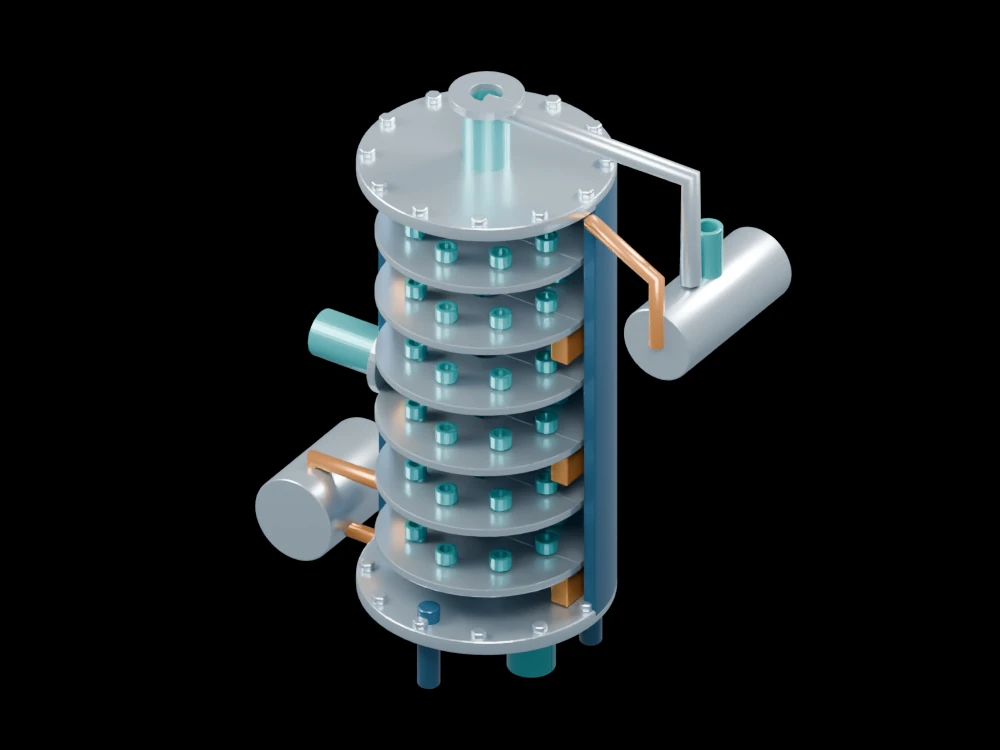 A pilot heat pump reuses distillation heat and reveals a trade-off
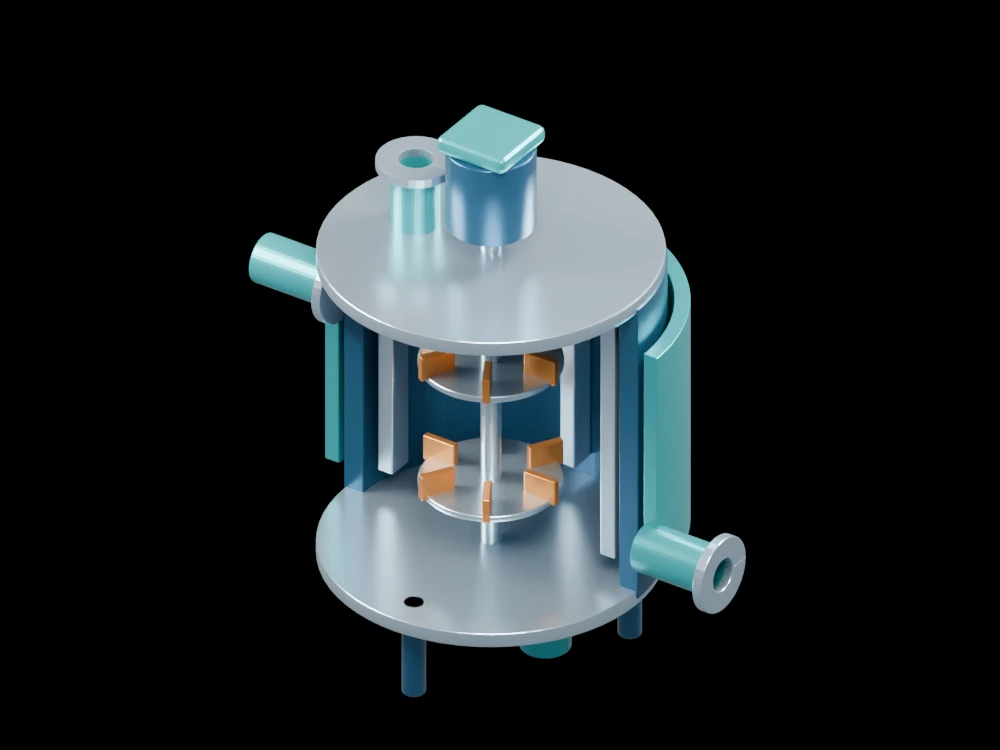 Colour and video reveal where a stirred tank mixes slowly
 Boron arsenide draws heat from working GaN transistorsComplementary GaN logic puts both transistor types on one substrate
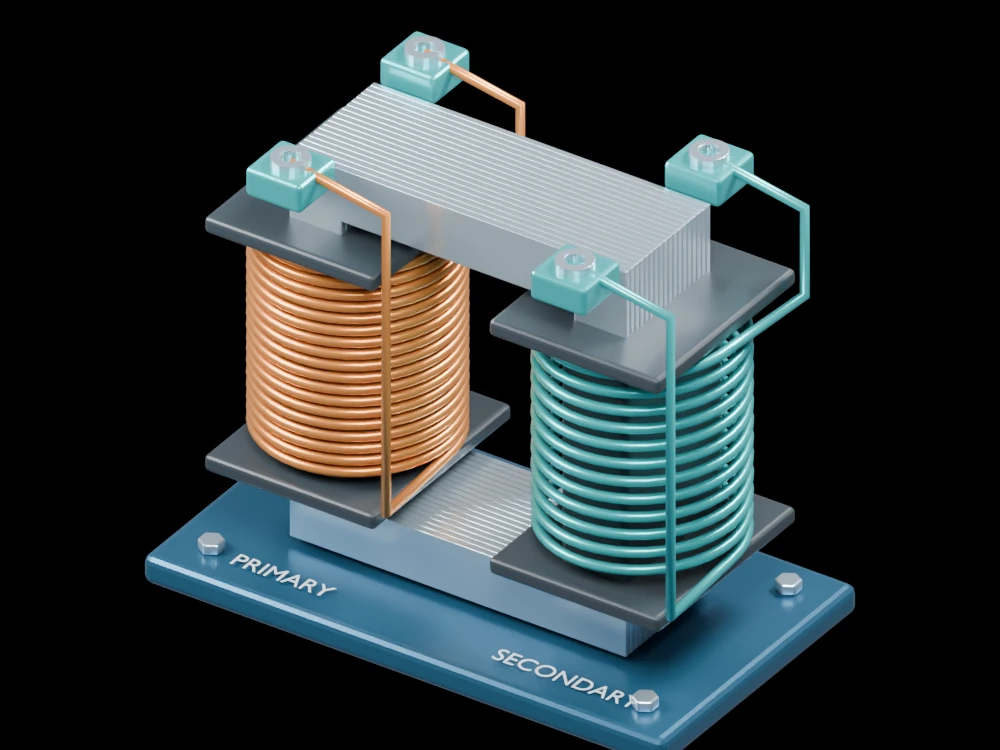 A magnetic composite tackles eddy-current and hysteresis losses togetherNarrow magnetic domains help an iron-rich ribbon waste less energyMagnetic-domain motion can send energy into the crystal latticeA vibrating resonator helps a DC converter step down voltage efficientlyBuilt-in crystal polarization helps GaN switches withstand higher voltage
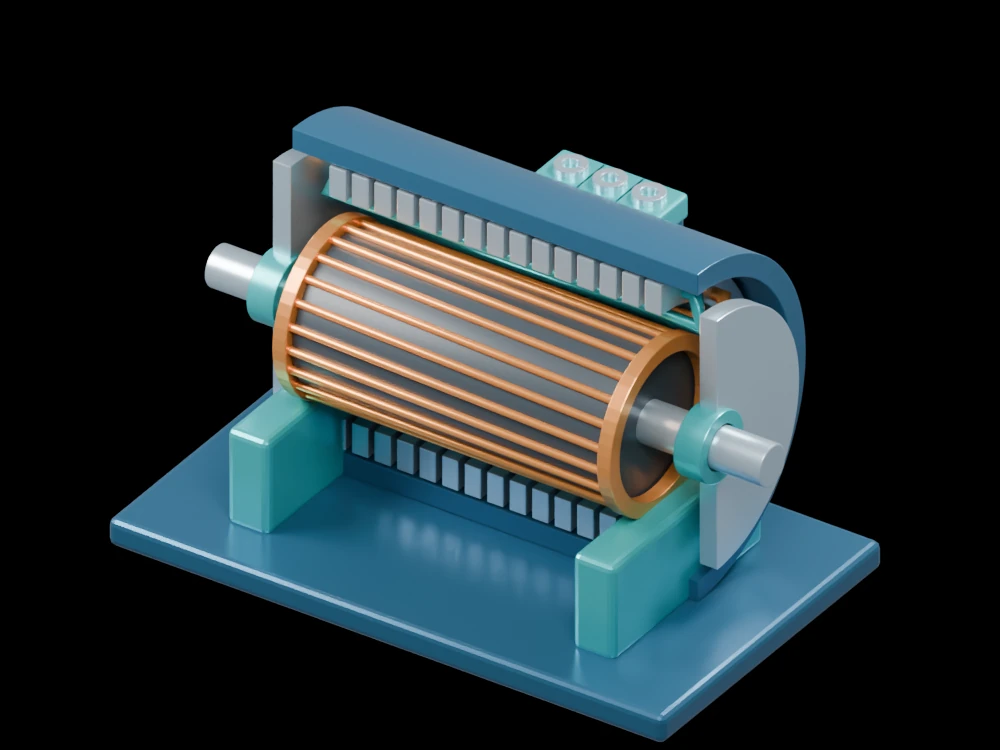 A rotating magnetic field steers crystallisation toward finer soft magnetsEngineered interfaces let magnetic particles couple without the usual loss penalty
 Nanoscale spin rectifiers turn weak radio signals into useful powerAn alloy becomes mechanically strong while remaining magnetically softA superconducting chip brings full-wave rectification into the coldElemental tellurium turns radio signals into a tunable room-temperature outputTin telluride rectifies signals from megahertz to terahertz without external biasTiny manufacturing deformations can disturb the magnetic structure of motor steelNanoprecipitates push ductile soft magnets toward two-gigapascal strengthA 100 kW solid-state transformer reaches 98.57% efficiency in testing
 A redesigned magnetic path cuts opening time in a solenoid study
 Can a shorter cyclone still separate particles effectively?
 Shaping a liquid interface produces high-rejection filter membranes
 Sludge dewatering study shows why pressing harder is not enough