

Anatomical research · Research insights
Lung repair crosses an anatomical boundary in a mouse study
Mouse lineage tracing shows alveolar cells contributing to injured airway repair. Explore what this changes about lung biology and what remains unproven.
The lung's branching airways carry air towards the alveoli, where gas exchange occurs. These regions have different structures and cellular roles. Understanding how cells respond when one region is injured is important for explaining the lung's capacity to repair itself.
Latest breakthrough
An October 2026 Nature paper uses lineage-tracing experiments in mice to show that alveolar type 2 cells can move towards injured bronchioles and contribute to airway cell populations. The work identifies signalling steps associated with migration and with the subsequent change in cell identity. The significant finding is that repair can cross an anatomical boundary previously treated as more restrictive. It is evidence from an experimental mouse system. The study does not establish a treatment that regenerates injured human lungs or show that every lung injury follows the same repair route.
Liu and colleagues. Nature (2026). Read the original study.
How the method works
Lineage tracing follows descendants of a marked cell population rather than identifying cells only by where they are found at the end. In this mouse work, that approach allowed the team to connect alveolar type 2 cells with later populations in injured airways. The study also examined signalling associated with movement and a change of cell identity. Those are distinct steps: a cell can arrive somewhere without acquiring the functions needed there. The experimental injury and animal setting define what the observation currently supports.
A simple analogy
Imagine giving workers from one district a lasting coloured badge before a city repair project. Finding those badges in another district later helps trace where the repair team came from. Cells are not independent workers choosing a job, however; their behaviour depends on molecular signals and their surroundings. The badge explains tracking, not the biological cause of repair.
Cell location and cell identity can interact
A cell's role depends partly on its internal state and partly on signals from its surroundings. During injury, the environment changes. Tracking the origin of a repaired cell is therefore important: observing a cell at the end of the process does not automatically reveal where it came from. Lineage tracing helps address that historical question within a defined experiment.
Why the finding changes a useful question
Our interpretation is that the study encourages researchers to examine cooperation between lung compartments. Instead of asking only how a damaged region replaces its own cells, they can ask whether nearby populations contribute. This could help organise future research into repair failure and chronic disease. Any therapeutic benefit would require additional evidence about human biology, safety and control of the response.
Repair is not always successful regeneration
New cells must acquire appropriate function and integrate without causing harmful remodelling. Injury type, age and disease can affect that process. The experimental observations should therefore be read within their model and conditions. They provide a mechanism to investigate, not a clinical recommendation or a prediction that a particular patient's lung will recover. Following a change in cell identity also connects this work with efforts to compare cell types through a shared biological reference.
Follow the airway towards the alveoli
Open the lung model and trace the trachea through the branching bronchi to the enlarged alveolar cluster. Compare the conducting route with the gas-exchange region. The anatomy makes the phrase 'cross-compartment repair' more concrete. The gallery model shows organ structure; it does not display lineage labels, cellular migration or a simulation of the regenerative process described in the paper.
Related articles
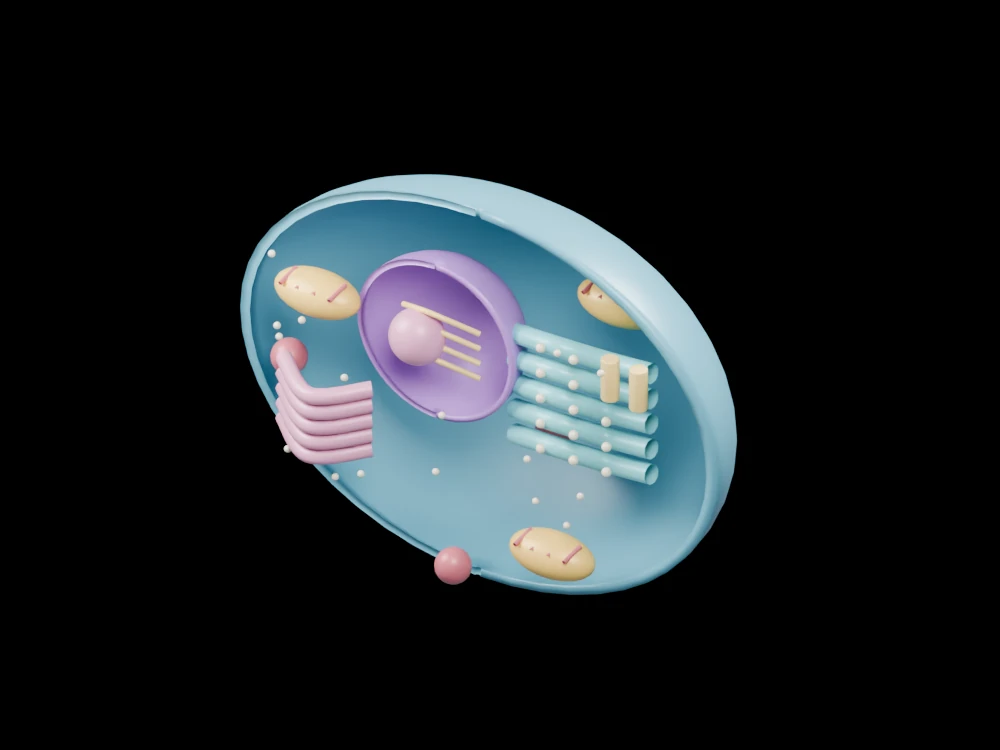 AI maps 36 million cells into a shared biological reference
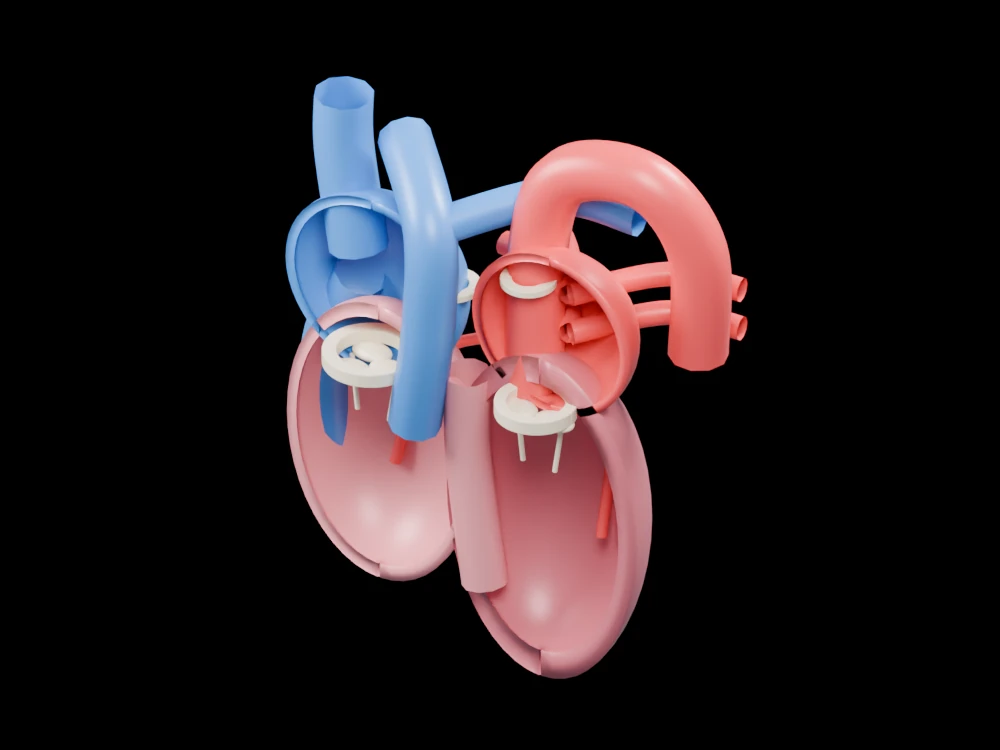 Lab-grown heart cells reach an early human trial: what did it show?
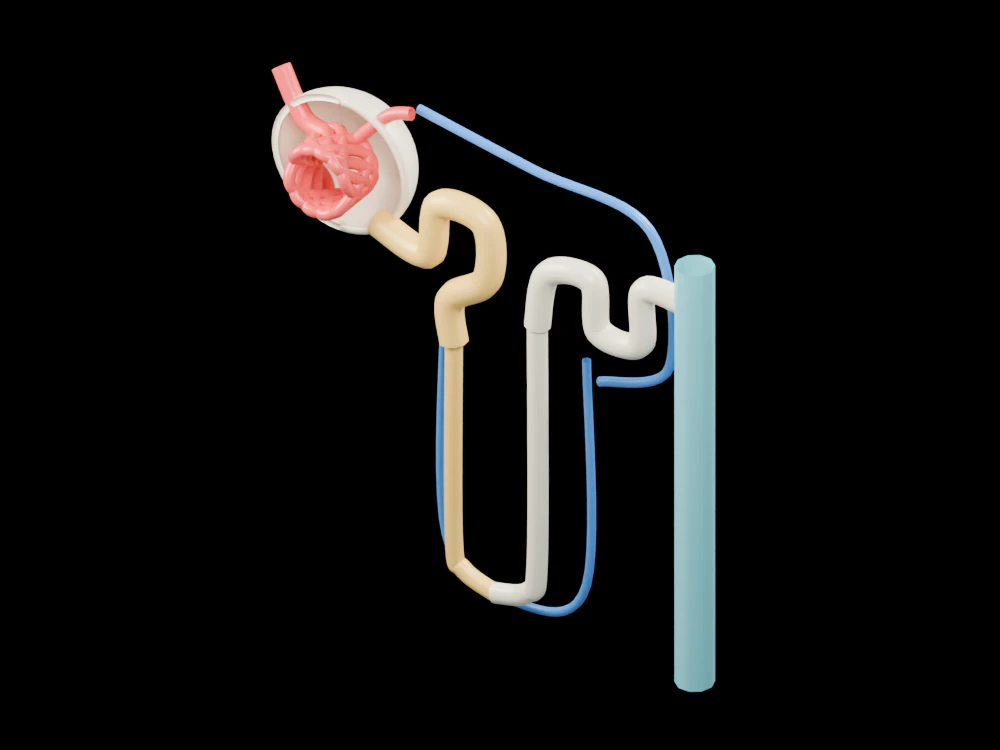 A pig-kidney transplant exposes an early immune hurdle
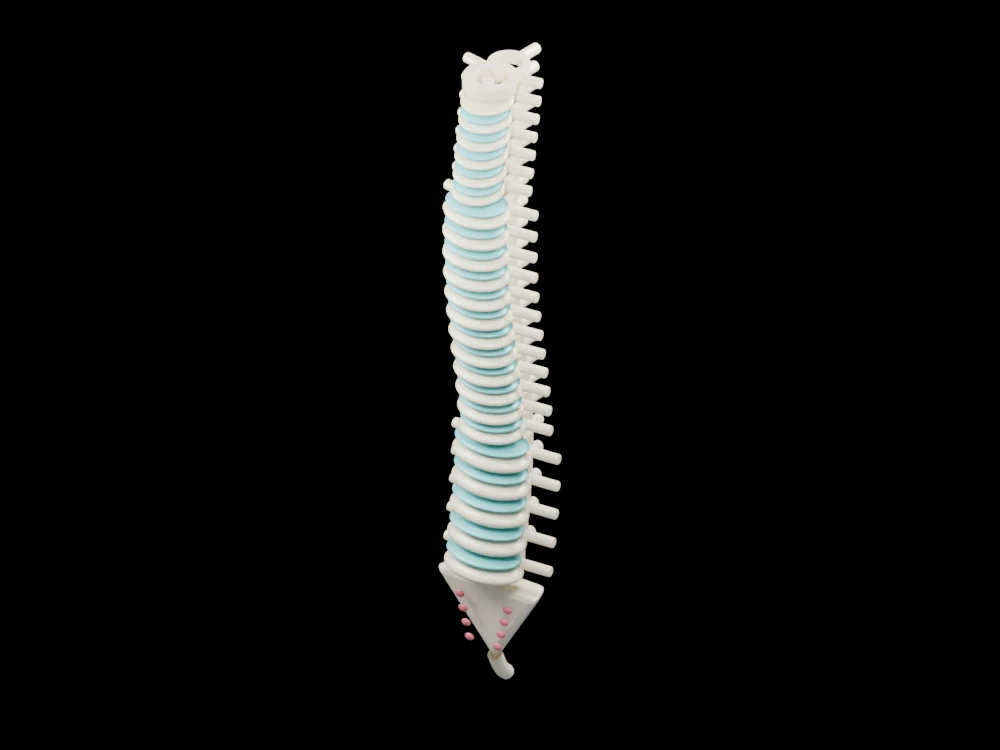 Spinal stimulation strengthens arm movement in a small stroke study
 Evo 2 reads a million DNA letters at once: why that matters
 A flexible protein gate may explain traffic inside mitochondria
 An artificial retina turns near-infrared light into signals in mice
 Engineered cartilage grafts show promise in a 17-patient study
Explore the models
Sources and further reading
- Alveolar stem cells transdifferentiate to drive bronchiolar regeneration Published 7 Oct 2026