

Anatomical research · Research insights
Lab-grown heart cells reach an early human trial: what did it show?
A small randomised study examines stem-cell-derived cardiomyocytes alongside bypass surgery. Understand the promise, the safety focus and the open questions.
Restoring blood flow to the heart and replacing damaged heart muscle are different goals. Regenerative approaches try to address the second problem by adding cells with cardiac function. The central question is whether those cells can contribute safely and meaningfully within an already complex, rhythmically contracting organ.
Latest breakthrough
An August 2026 Nature Medicine paper reports the HEAL-CHF early-stage randomised trial in twenty people with advanced ischaemic heart failure. Participants received bypass surgery, with one group also receiving induced-pluripotent-stem-cell-derived cardiomyocytes. The primary safety assessment included sustained ventricular tachycardia during months one to six and tumour development at twelve months; neither endpoint event was observed in either group over those specified periods. This does not mean there were no postoperative risks or other adverse events. The small study is an early safety and feasibility step, not proof of a durable cure or a survival benefit.
Zhang and colleagues. Nature Medicine (2026). Read the original study.
How the method works
The researchers compared two small groups who both underwent bypass surgery; one group additionally received heart-muscle cells derived from induced pluripotent stem cells. Random allocation helps make a treatment comparison less dependent on who happened to receive it. The stated primary observations concerned particular rhythm problems and tumour development within defined follow-up windows. A safety endpoint is a specific event being watched for, not a declaration that every possible harm has been excluded. With twenty participants, rare events and durable clinical benefit remain difficult to assess.
A simple analogy
Think of repairing a pump's supply pipe while also trying a new patch on its damaged moving wall. Comparing a repaired pipe with and without the patch helps separate the questions. A living heart is much more complex: added cells must survive and interact electrically as well as mechanically. The patch analogy does not predict whether they will do so.
A heart is more than a collection of muscle cells
The chambers must fill and eject blood in a coordinated sequence. Electrical activation, muscle orientation, valves and blood supply all contribute. Adding cells creates questions about how they connect with that environment and whether they contract in a useful rhythm. A change in one measurement therefore needs to be considered alongside the rest of the organ's function.
Why an early human study matters
Our interpretation is that moving a carefully evaluated concept into a small human trial can reveal practical and biological issues that laboratory systems cannot fully answer. The potential societal value is substantial if future evidence shows meaningful recovery for people with limited options. That potential should motivate rigorous testing rather than shorten the path to a conclusion about routine treatment.
The comparison has important boundaries
Both groups underwent bypass surgery, which itself affects cardiac function and symptoms. Sample size and follow-up limit what can be concluded about uncommon harms and long-term benefit. Larger studies with appropriate endpoints are needed to separate contributions and assess durability. This article explains the research; decisions about heart-failure care belong with the treating clinical team. The distinction between an early signal and established treatment also matters when interpreting the exploratory cartilage-graft study.
Locate the muscle within the circulation
Use the four-chamber heart cutaway to follow the pulmonary and systemic routes, valves and septum. Notice how the left ventricle participates in delivering blood to the body. The model illustrates anatomy rather than a patient's damaged myocardium or the trial's cell-delivery sites. It helps place the regenerative question within the organ without suggesting that the mesh predicts a clinical outcome.
Related articles
 Engineered cartilage grafts show promise in a 17-patient study
 AI maps 36 million cells into a shared biological reference
 A flexible protein gate may explain traffic inside mitochondria
 Lung repair crosses an anatomical boundary in a mouse study
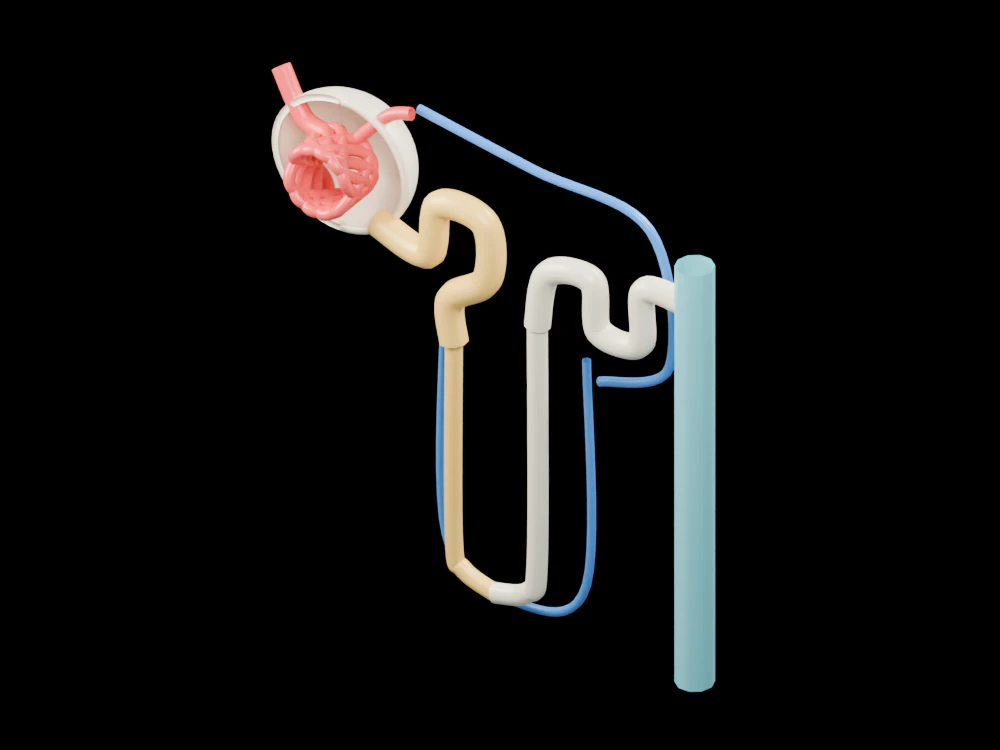 A pig-kidney transplant exposes an early immune hurdle
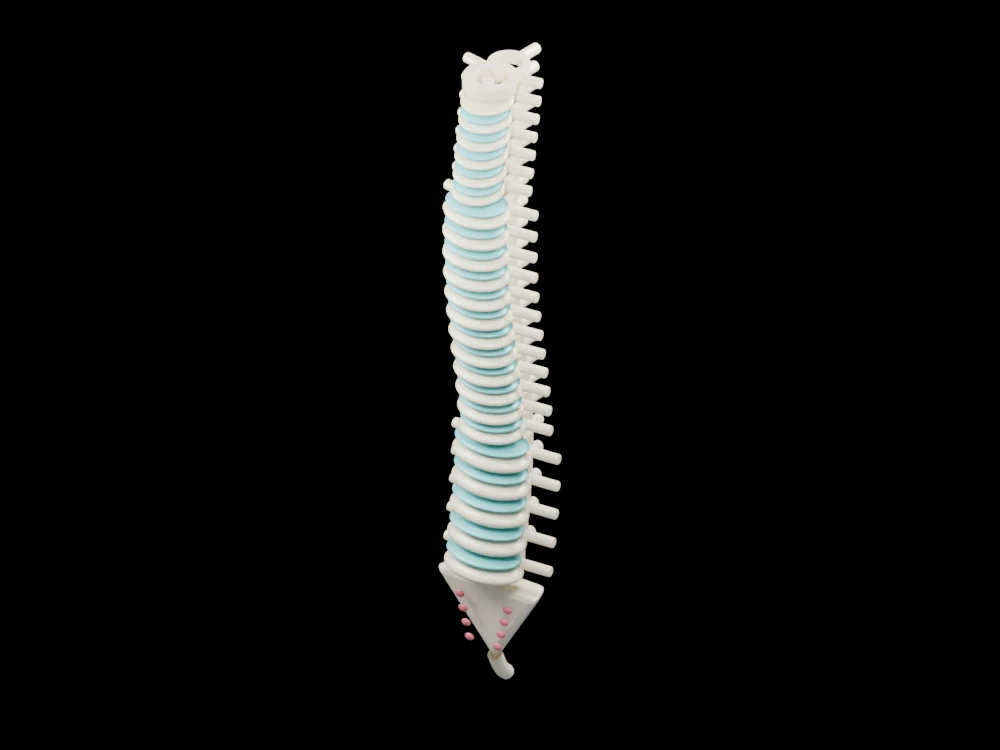 Spinal stimulation strengthens arm movement in a small stroke study
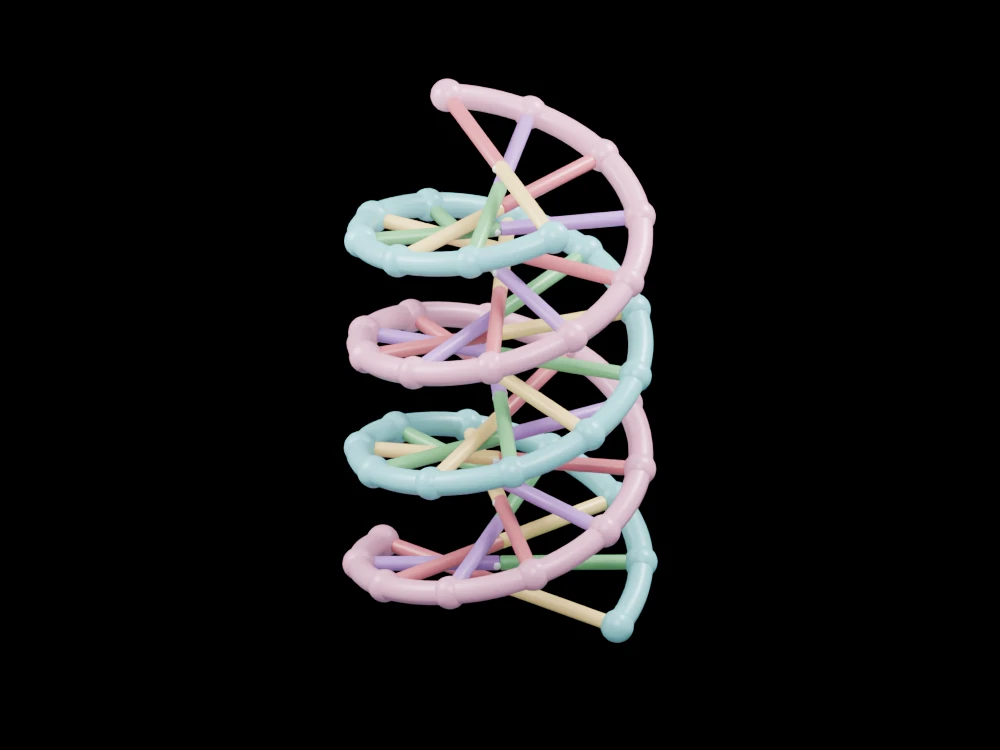 Evo 2 reads a million DNA letters at once: why that matters
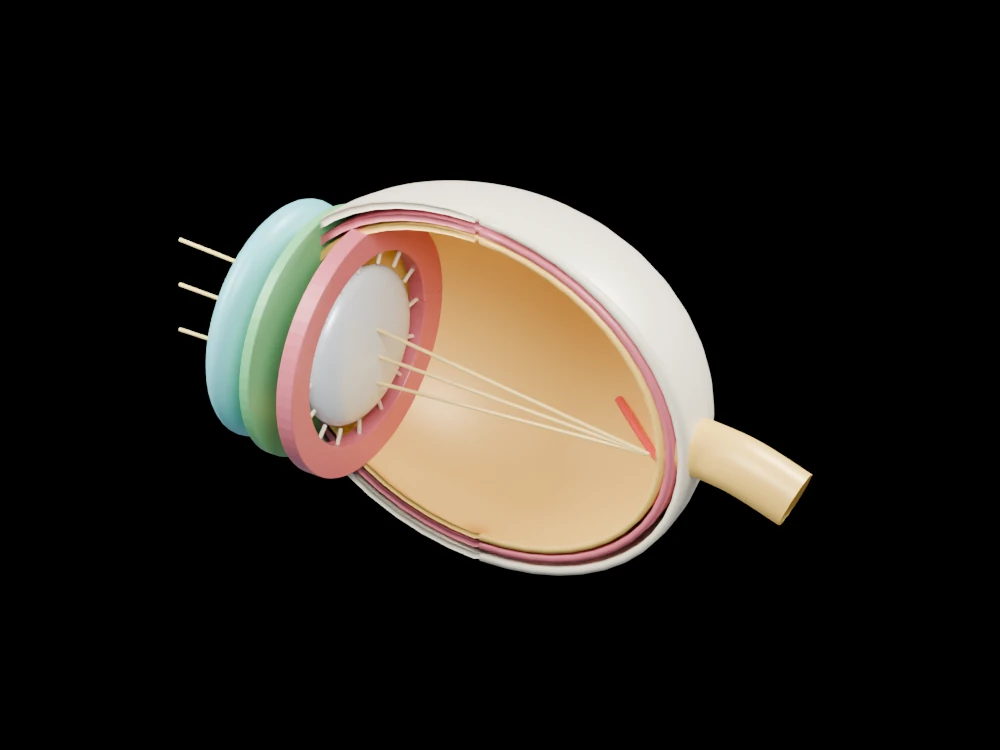 An artificial retina turns near-infrared light into signals in mice