

Mechanical research · Research insights
A modular robot arm succeeds in 91.67% of 240 test trials
Explicit task reasoning achieved 91.67% success in 240 reported robot trials. Learn how the approach connects perception, planning and physical action.
A person can describe an apparently simple task, such as moving an object to a particular position, without specifying every joint angle. For a robot, that instruction still has to become a sequence of feasible physical actions. Research into explicit task reasoning makes that translation process a central part of the system.
Latest breakthrough
Published in npj Artificial Intelligence in August 2026, the selected paper separates vision, language, reasoning and action into connected modules. It reports 240 real-world manipulation trials across six experimental suites, with a 91.67% success rate. The approach avoids task-specific demonstration collection and manipulation-policy training for the reported tasks by using explicit reasoning with existing model capabilities. This is a demonstrated alternative organisation of a robot-control pipeline. It does not mean the language and vision systems were created without prior training, or that arbitrary tasks can be executed safely.
Gui and colleagues. npj Artificial Intelligence (2026). Read the original study.
How the method works
The control pipeline assigns different roles to vision, language, reasoning and action modules. Real-world trials then assess whether those connected components complete the reported manipulation tasks. Separating the modules can make intermediate decisions more explicit, but errors can still pass from perception into planning and movement. The claim about avoiding task-specific demonstrations concerns the selected manipulation setup; it does not erase the prior training of the component models. A success rate across the defined suites measures those trials, not unrestricted ability or safety in an unknown environment.
A simple analogy
A team can divide a job between a person who identifies objects, another who interprets the request and another who carries out the movement. Coordination can help without making any member infallible. Software modules are not people, and a mistaken observation can still produce a poor action. The analogy explains division of responsibility without implying human-level judgement.
Reasoning must eventually become geometry
A plan such as 'place the object behind the box' depends on a reference frame, a position estimate and a grasp that the arm can achieve. The gripper's size, the reach of the joints and surrounding obstacles all matter. A readable plan can help reveal a mistaken assumption before it becomes a motion, but its words still need to agree with the physical scene.
Why a transparent plan could help
Our interpretation is that explicit intermediate reasoning can make robotic demonstrations easier to diagnose and teach. An engineer can ask whether a failure arose in scene interpretation, task decomposition or execution. For smaller organisations, reducing task-specific data collection could eventually lower the effort required to adapt automation. The practical benefit would depend on reliability, latency and the ability to recover from mistakes.
Success rate is not a safety certificate
The reported percentage belongs to a defined trial set. New objects, ambiguous instructions, poor lighting and unexpected contact can introduce different failure modes. A production system still needs physical safeguards and independently validated motion constraints. The study is significant because it demonstrates a particular reasoning architecture, rather than establishing a universally capable industrial worker. Task-level reasoning still differs from measuring precise motion, the subject of the optical-encoder signal-correction study.
Follow the plan through the arm
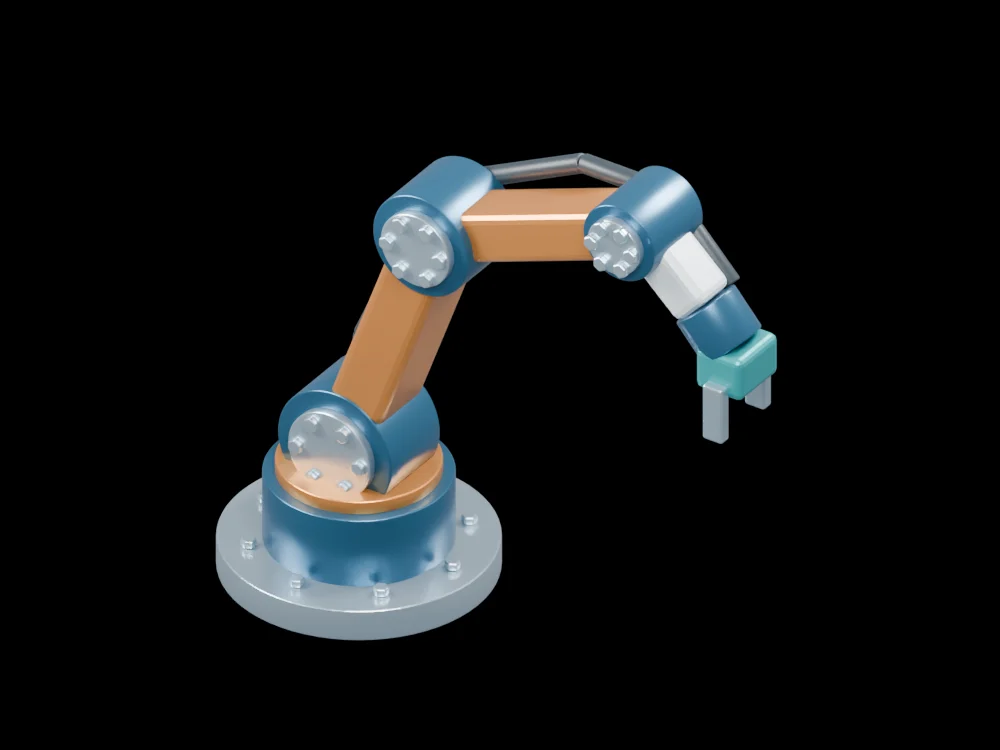
Explore the industrial-arm model from its base to the wrist and parallel gripper. Notice how each joint changes the available direction of motion and where cable routing must accommodate that movement. The model helps connect an abstract action plan to mechanical constraints. It is a conceptual assembly, not the research robot or a controller that executes the paper's method.
Related articles
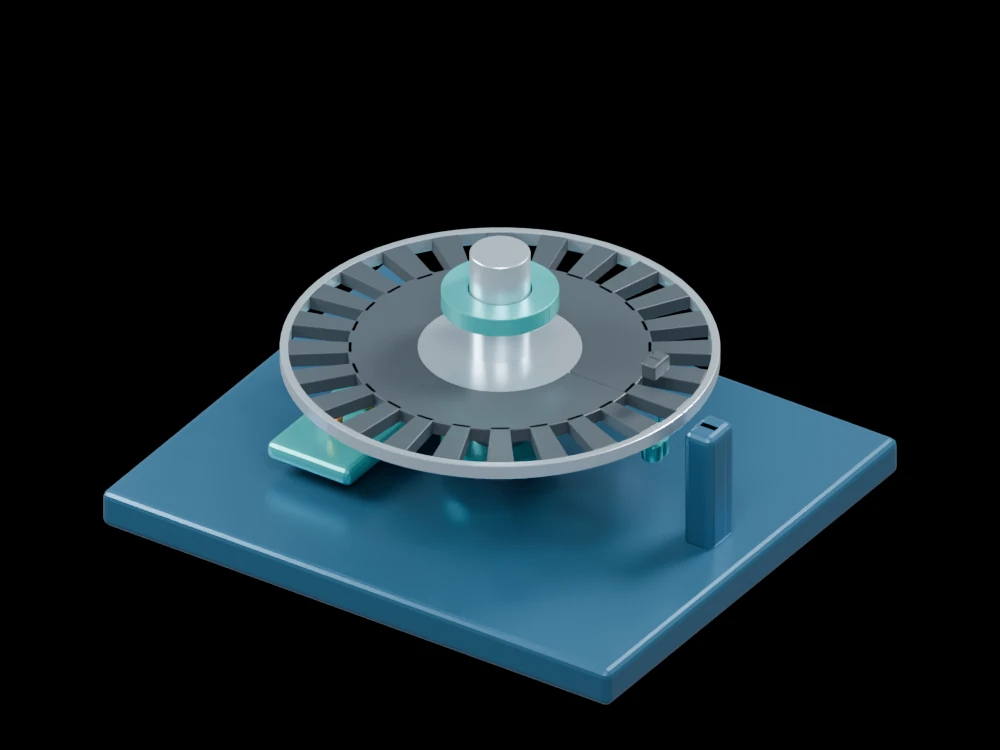 Correcting encoder signals improves tiny-motion measurements
 A camera learns the motion map needed to control very different robotsA new representation makes changing robot contacts easier to predict
 Dense liquid-metal coils combine soft actuation, sensing and communicationElastic electromagnetic mechanisms give small robots muscle-like motion
 Nanotextured surfaces help graphite maintain an extremely low-friction contactProjected light assembles and drives reconfigurable microscopic machinesLiquid-metal networks turn a flat elastomer into programmable 3D surfacesLight drives microscopic gear trains through patterned metasurfacesRobots learn a predictive body model by watching their own movementsA robot can prevent slipping by changing its path instead of only squeezing harderSoft robots steer their shape by combining local electromagnetic vectorsA soft robot arm stays bendable while transmitting continuous torque
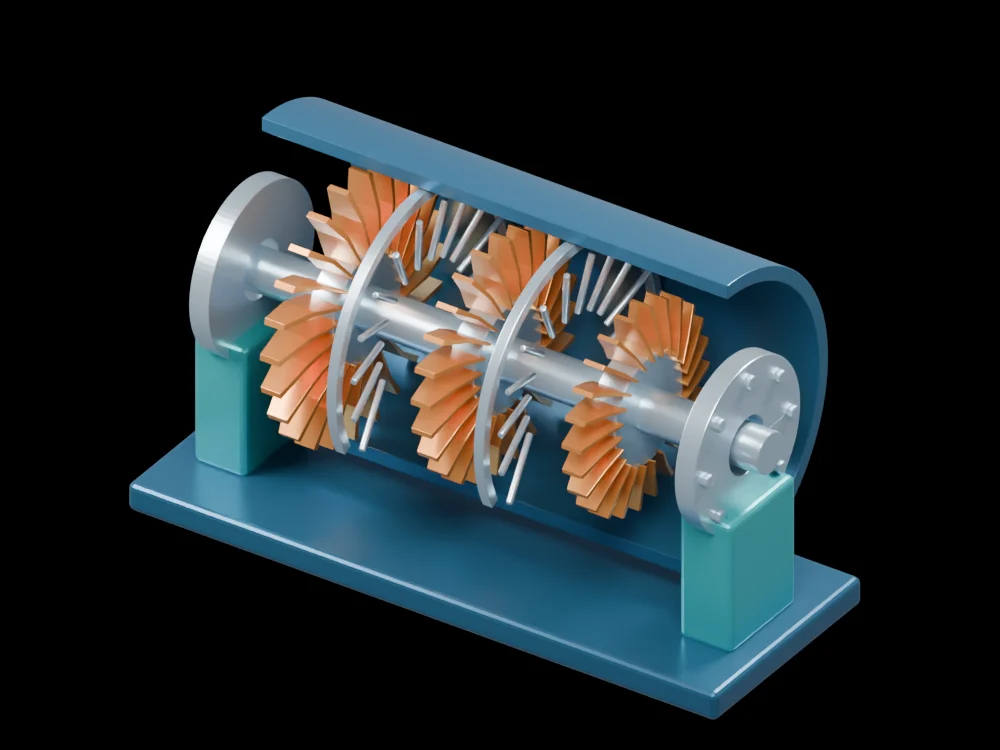 Printed lattices strengthen turbine cooling in controlled rig tests
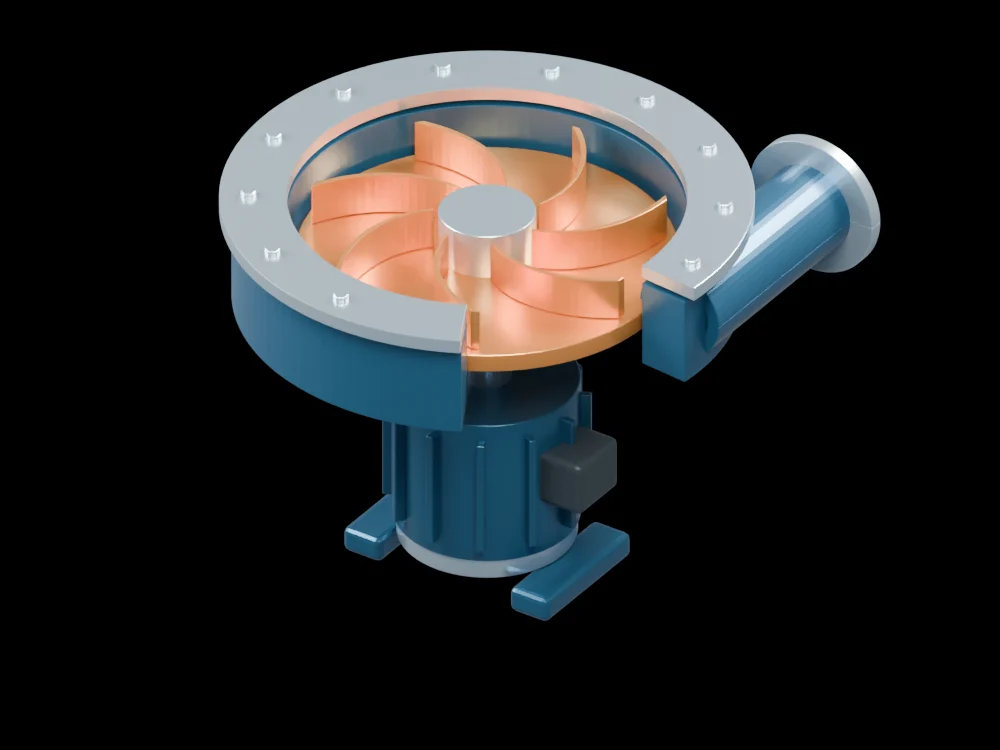 Physics-guided AI tracks pump cavitation as flow conditions changeGearbox vibrations reveal clues to efficiency during operation
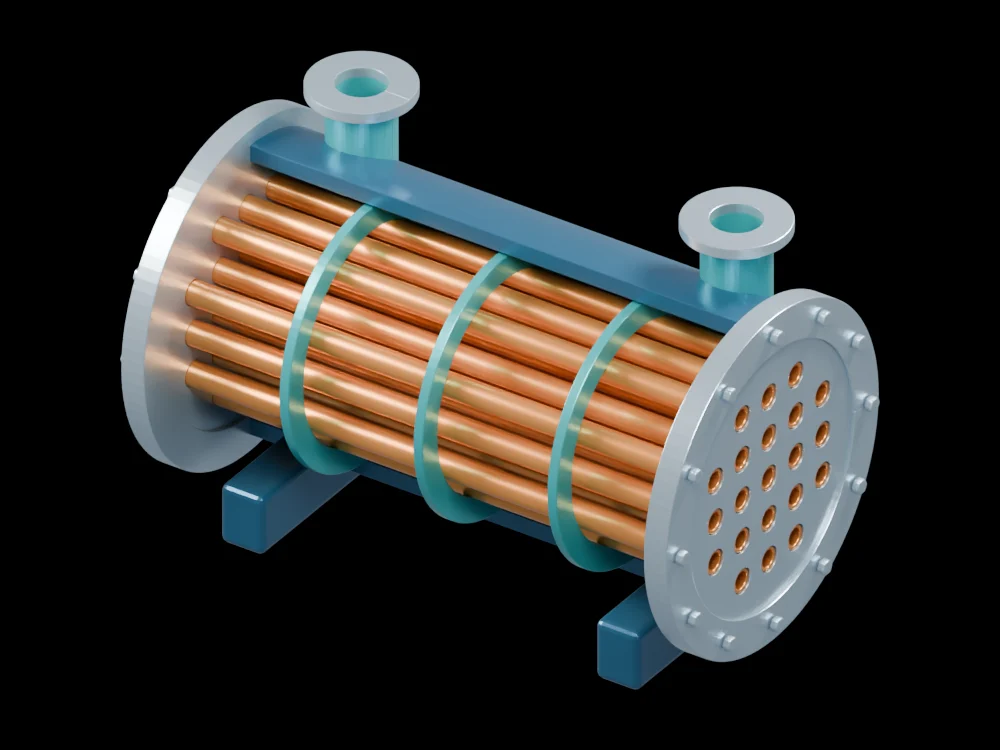 A numerical design twists exchanger walls to improve heat transfer
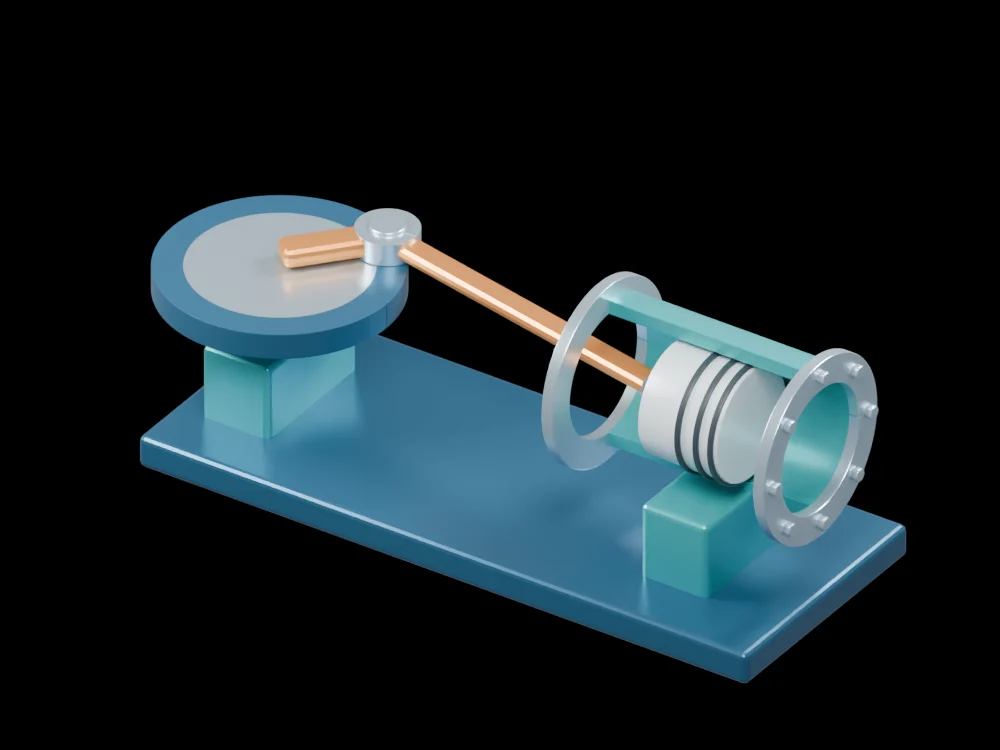 A configurable joint reveals how small gaps turn motion into impacts
Explore the models
Sources and further reading
- Explicit task reasoning empowering robotic manipulation Published 10 Aug 2026