

Automation · Research insights
Robots learn a predictive body model by watching their own movements
A Nature Machine Intelligence study builds self-models from brief video observations, supporting motion planning and recovery from tested changes.
Study published: 25 February 2025 · Nature Machine Intelligence. Original research commentary by NPT Research.
Before moving through a narrow gap, a robot benefits from predicting where its whole body will go. Conventional simulation requires a carefully specified model. Researchers investigated whether a robot could learn a useful representation of itself from images of its own movement.
Latest breakthrough
The study introduced a self-supervised framework that learns morphology and motion from brief raw video data without supplied kinematic priors. The learned simulation supported motion planning and demonstrated detection of abnormalities and recovery from damage in the tested robotic systems.
Read the original study: Teaching robots to build simulations of themselves.
How the study worked
The team recorded robot movements and learned the relationship between motor commands, joint configurations and occupied space. Experiments compared predicted geometry with real movement and used the learned model for planning. Damage-related tests examined whether the representation could help adapt to a changed body.
The idea in everyday terms
A person checking whether a backpack will fit through a doorway uses an internal picture of their current shape. The robot’s learned model serves a narrower computational purpose: predicting its occupied space and movement. Calling this a self-model does not establish consciousness or human-like self-awareness.
Why it matters
Models that can be learned or updated from observation could reduce the effort of bringing unusual robot designs into operation. Camera-based Jacobian learning tackles a closely related control problem through local motion sensitivity rather than the same predictive representation.
What the evidence does not establish
Successful adaptation in the reported tests is not proof of automatic recovery from arbitrary damage. Observability, data quality, model error and physical capability still constrain what the robot can do. A simulator also needs appropriate checking before it is trusted near people or valuable equipment.
Explore the device
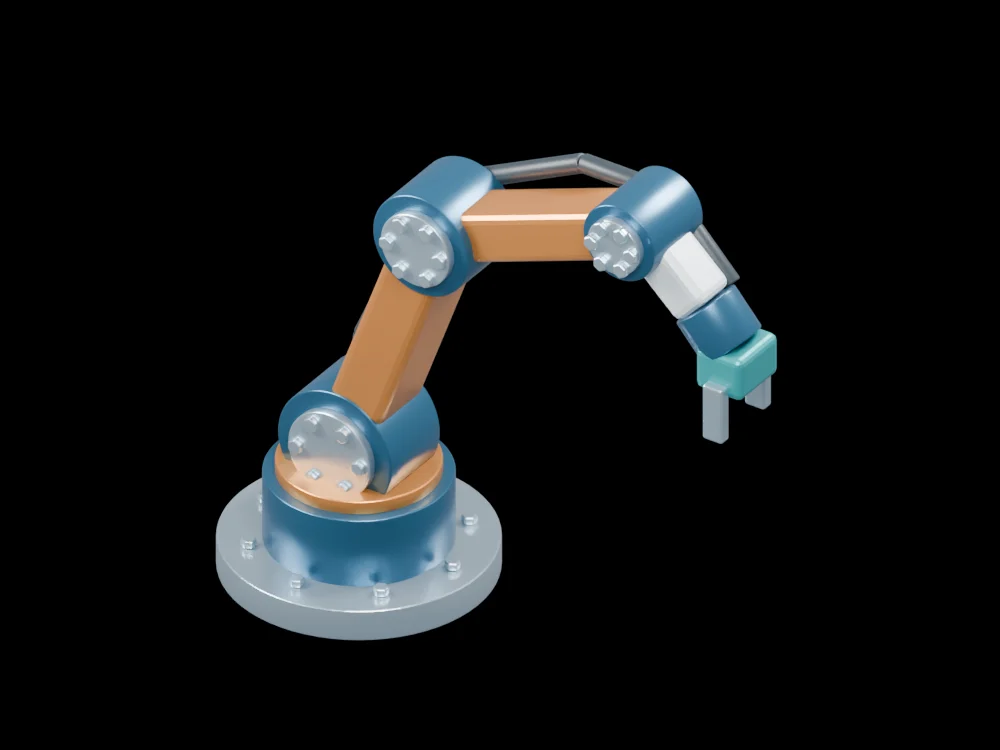
Use the robotic-arm model to inspect the volume occupied by each link as the joints move. That whole-body geometry is important beyond the position of the gripper. Trajectory-based slip prevention shows another reason that predicting motion can improve manipulation.
Explore the Industrial robotic arm model and its description, or read our earlier device-focused research explanation.
Primary citation: Yuhang Hu, Jiong Lin, Hod Lipson. Teaching robots to build simulations of themselves. Nature Machine Intelligence (2025). 10.1038/s42256-025-01006-w.
Related articles
 A camera learns the motion map needed to control very different robotsA robot can prevent slipping by changing its path instead of only squeezing harderA modular robot arm succeeds in 91.67% of 240 test trialsA new representation makes changing robot contacts easier to predict
 Dense liquid-metal coils combine soft actuation, sensing and communication
 A DNA clutch lets a magnetic nanomotor engage and disengage its rotorElastic electromagnetic mechanisms give small robots muscle-like motionElectric current drives a molecular rotor and changes its conductance
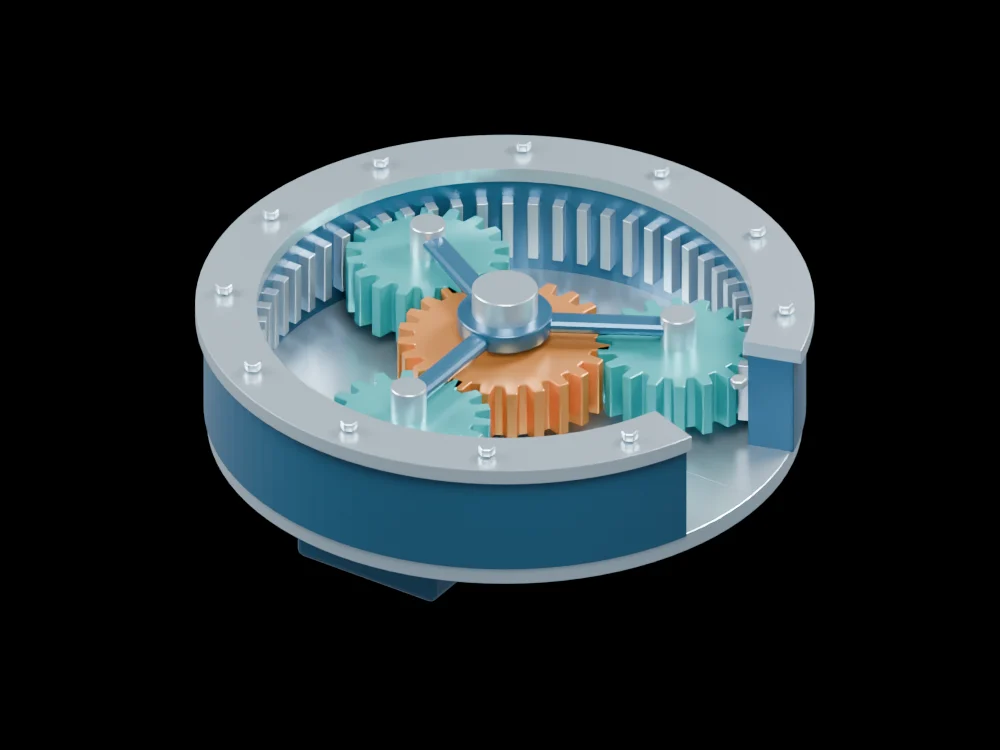 Nanotextured surfaces help graphite maintain an extremely low-friction contactProjected light assembles and drives reconfigurable microscopic machinesLiquid-metal networks turn a flat elastomer into programmable 3D surfacesMicroscopy reveals which internal features hold a permanent magnet’s directionLight drives microscopic gear trains through patterned metasurfacesSoft robots steer their shape by combining local electromagnetic vectorsFriction consolidates brittle magnetic powders in a single processing stepA soft robot arm stays bendable while transmitting continuous torque
 An engineered environment changes a microscopic engine’s power–efficiency trade-offMagnetic measurements expose early fatigue changes in tested metalsChanging the character of noise shifts a microscopic engine’s best operating speedSwitching between unstable modes can stabilise a mechanical oscillator
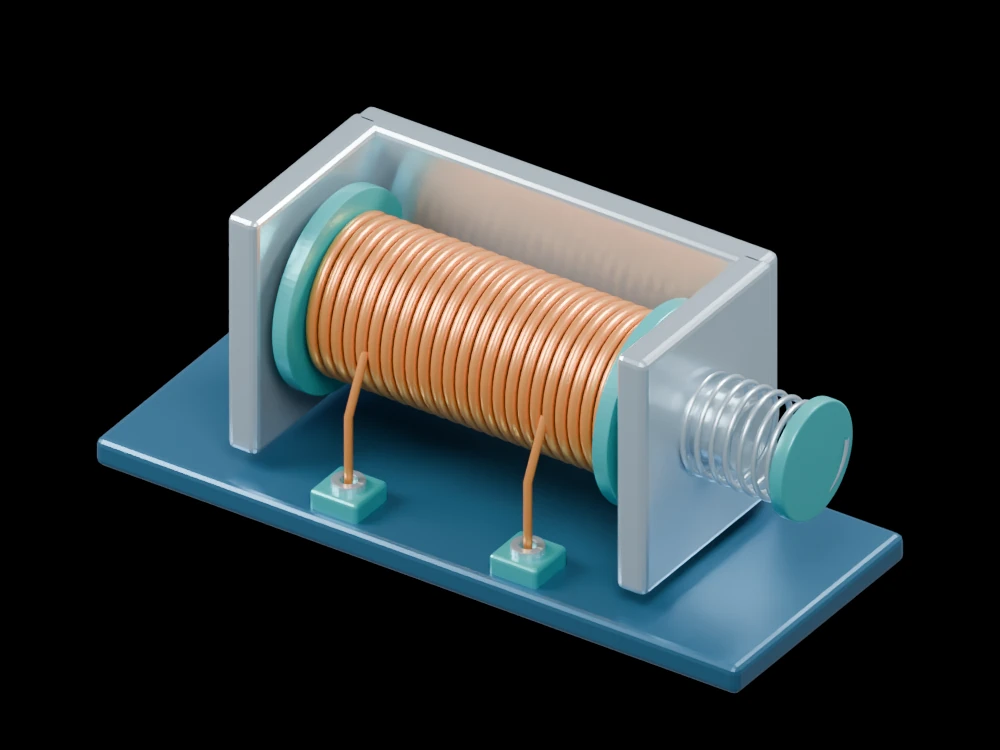
 Correcting encoder signals improves tiny-motion measurementsGearbox vibrations reveal clues to efficiency during operationA redesigned magnetic path cuts opening time in a solenoid study
Explore the models
Sources and further reading
- Teaching robots to build simulations of themselves Published 25 Feb 2025