

Power electronics · Research insights
A superconducting chip brings full-wave rectification into the cold
A Nature Electronics study demonstrates a superconducting full-wave bridge, creating a route to power-handling circuits for cryogenic electronics.
Study published: 7 May 2025 · Nature Electronics. Original research commentary by NPT Research.
The four-diode bridge is a familiar way to turn alternating current into a one-directional output. Reproducing that useful asymmetry in superconducting electronics is harder: superconductors are valued precisely because they can carry current without ordinary electrical resistance.
Latest breakthrough
The team built niobium-nitride microbridge diodes with tunable polarity using an asymmetric barrier to vortex motion. Integrating the devices produced continuous full-wave rectification up to 3 MHz. Separate measurements demonstrated higher-frequency half-wave operation and burst-mode conversion; these are different operating results, not one universal frequency rating.
Read the original study: A superconducting full-wave bridge rectifier.
How the study worked
Researchers fabricated and measured individual diodes and an integrated bridge circuit under cryogenic conditions. They used the device geometry and magnetic-vortex behaviour to establish directional response, then tested whether several diodes could perform a recognisable power-conversion function together.
The idea in everyday terms
A bridge rectifier resembles four one-way routes arranged so that either incoming direction leads through the load the same way. In this experiment, the one-way behaviour comes from superconducting physics rather than a conventional semiconductor junction. The road diagram helps with circuit routing, but it does not explain the low-temperature material mechanism.
Why it matters
Cryogenic systems need practical ways to handle power as well as process signals. A reproducible circuit element is therefore a meaningful step toward more complex electronics. Compare this with spin-based ambient-energy harvesting, which pursues a different operating environment and power scale.
What the evidence does not establish
The work does not replace a mains bridge rectifier at room temperature. Refrigeration, load conditions and switching behaviour remain part of the system-level energy balance. The reported burst operation should not be presented as continuous full-wave performance at the same frequency.
Explore the device
Open the bridge model and trace both alternating-current paths through its four devices. That topology provides the connection to the paper, although the research chip uses different materials and dimensions. A broadband tin-telluride rectifier offers another example of retaining the AC-to-DC goal while changing the physical mechanism.
Explore the Full-wave bridge rectifier model and its description, or read our earlier device-focused research explanation.
Primary citation: Matteo Castellani, Owen Medeiros, Alessandro Buzzi et al.. A superconducting full-wave bridge rectifier. Nature Electronics (2025). 10.1038/s41928-025-01376-4.
Related articles
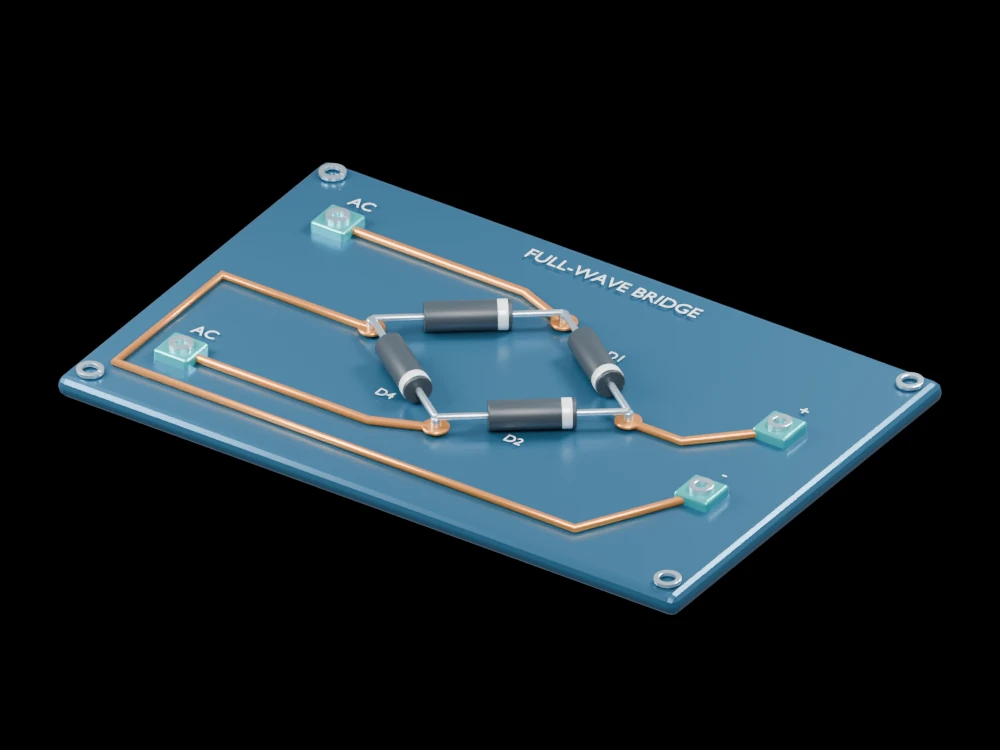 Nanoscale spin rectifiers turn weak radio signals into useful powerTin telluride rectifies signals from megahertz to terahertz without external biasA quantum material rectifies signals from radio to terahertz bands
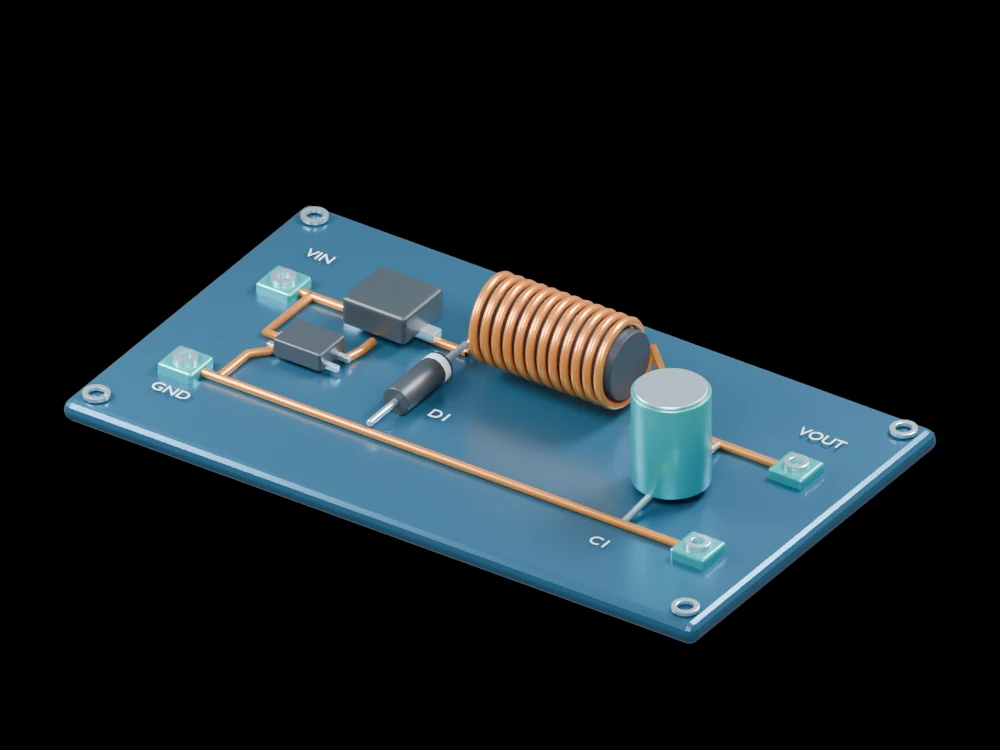 Boron arsenide draws heat from working GaN transistorsComplementary GaN logic puts both transistor types on one substrateA vibrating resonator helps a DC converter step down voltage efficientlyBuilt-in crystal polarization helps GaN switches withstand higher voltageElemental tellurium turns radio signals into a tunable room-temperature output
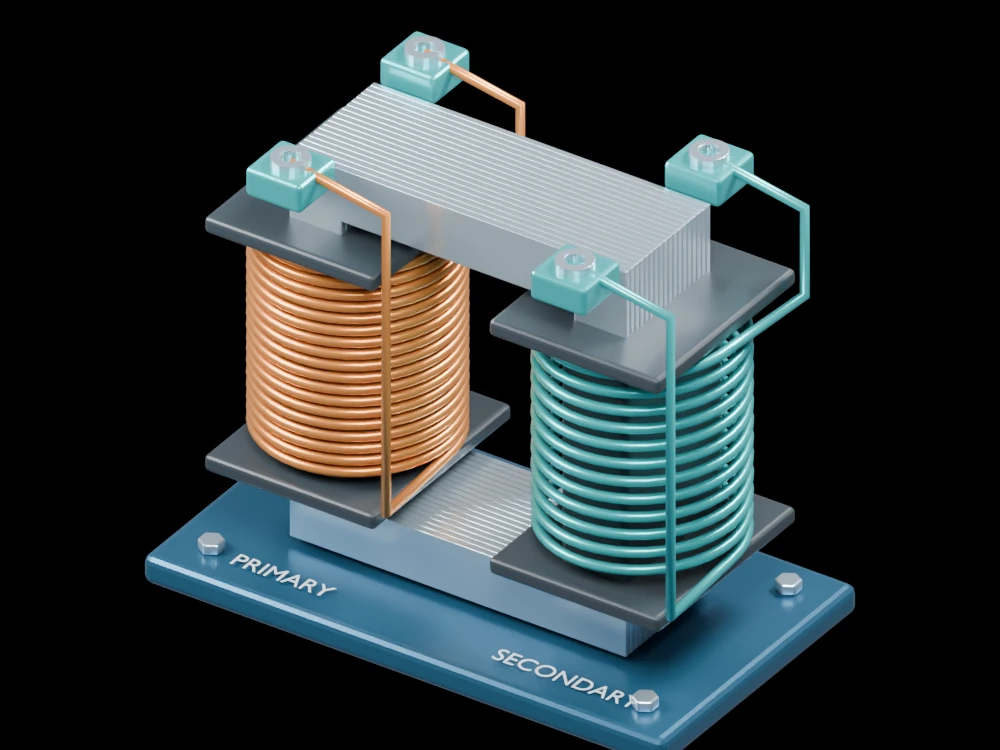 A 100 kW solid-state transformer reaches 98.57% efficiency in testingA magnetic composite tackles eddy-current and hysteresis losses togetherNarrow magnetic domains help an iron-rich ribbon waste less energyMagnetic-domain motion can send energy into the crystal latticeEngineered interfaces let magnetic particles couple without the usual loss penalty
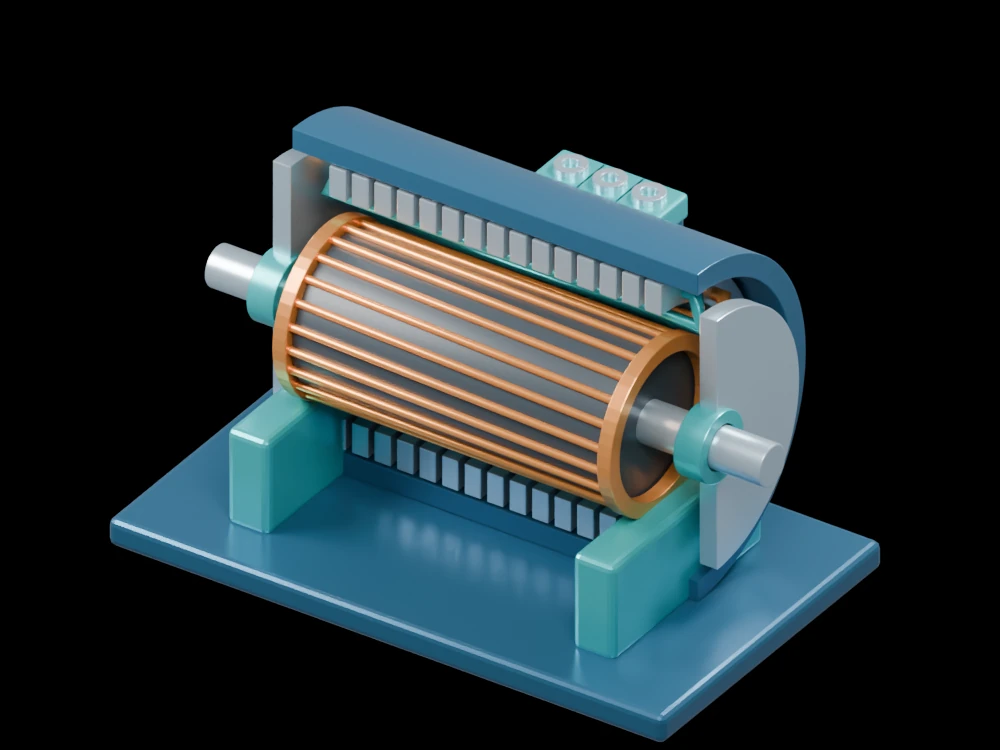 A rotating magnetic field steers crystallisation toward finer soft magnetsAn alloy becomes mechanically strong while remaining magnetically softTiny manufacturing deformations can disturb the magnetic structure of motor steelNanoprecipitates push ductile soft magnets toward two-gigapascal strengthA two-phase buck converter tackles the light-load efficiency problem
 An electrically heated foam brings heat inside a catalyst bed
 A redesigned magnetic path cuts opening time in a solenoid study
Explore the models
Sources and further reading
- A superconducting full-wave bridge rectifier Published 7 May 2025