

Electrical research · Research insights
A redesigned magnetic path cuts opening time in a solenoid study
A 2026 design study examines magnetic isolation slices in a high-speed valve. Understand why changing the magnetic route can change response time.
A solenoid turns an electrical input into a short mechanical movement. The delay between energising the coil and moving the plunger depends on more than the amount of current. The path available to magnetic flux, the moving mass and the opposing forces all contribute to the response.
Latest breakthrough
A February 2026 Review of Scientific Instruments paper investigates magnetic isolation slices in high-speed solenoid valves. The authors use a response-surface approach to connect slice parameters with response time. For their optimised configuration, they report a 76.0% reduction in opening time and a 46.9% increase in electromagnetic force at the fully open position. These are the study's design-specific results. The accessible abstract does not establish performance across a broad fleet of valves, so those percentages should not be treated as general gains available from a simple retrofit.
Le and colleagues. Review of Scientific Instruments (2026). Read the original study.
How the method works
The investigated isolation slices alter the magnetic path of a high-speed solenoid valve. A response-surface approach represents how changes in design parameters relate to output quantities such as opening time. Electromagnetic force at a particular position and complete opening time describe different aspects of actuation. Motion also depends on the rest of the mechanical and operating system, so a force increase should not be treated as an identical percentage improvement in every response. The reported percentages refer to the authors' selected configuration and comparison.
A simple analogy
Changing the route through which a pulling force acts can make a mechanism respond differently even without simply increasing its input. That is a useful starting point for thinking about magnetic-path design. Magnetic flux is not a rope, and a moving valve involves electrical, magnetic and mechanical dynamics. The analogy helps explain geometry's importance without predicting a retrofit gain.
Magnetic force depends on the route
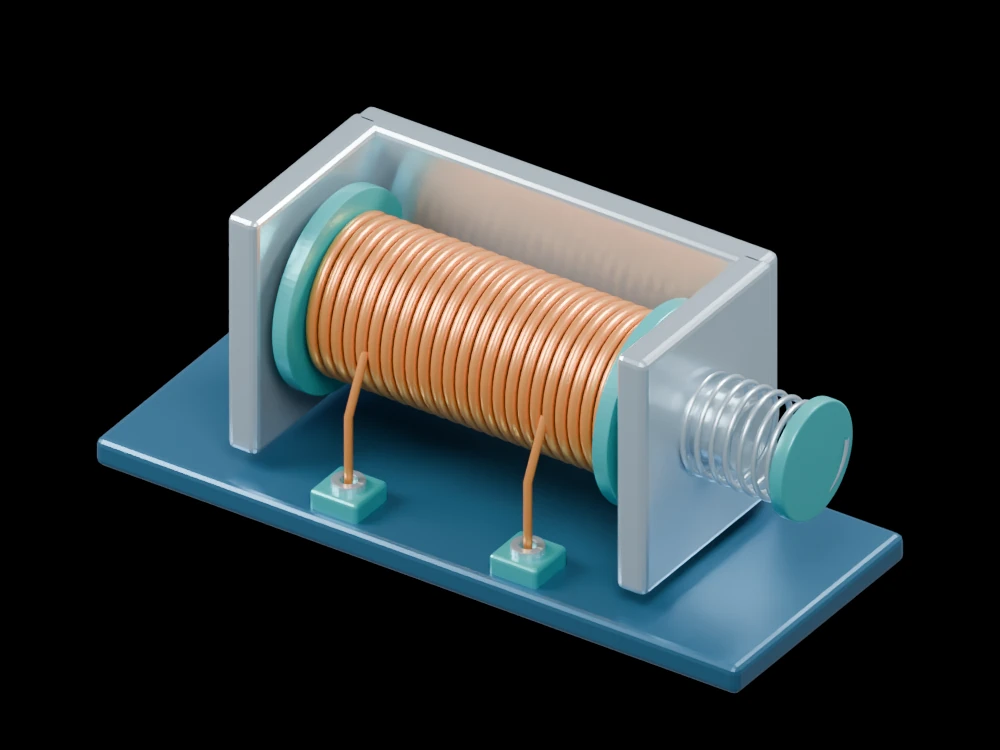
A coil creates a magnetic field, while the surrounding ferromagnetic structure guides much of the flux. The air gap is a particularly important part of that route. Altering a local section can redistribute the field and change how force evolves as the plunger moves. The useful design objective is a suitable force throughout the stroke, not merely a high force at one endpoint.
Why this is an interesting design direction
Our interpretation is that magnetic-path design deserves consideration alongside drive electronics. A faster actuator may support more responsive fluid control, but rapid movement also affects impact, rebound and wear. In precision equipment, repeatability may matter more than the shortest possible opening time. A good development programme would compare response, energy consumption and mechanical endurance together.
The remaining validation questions
A proposed valve still needs testing across temperature, supply voltage, pressure and manufacturing tolerances. The return movement also matters, especially when a spring and fluid forces oppose one another. The paper provides a focused optimisation result; it does not certify a particular safety-critical application. Its reported opening-time improvement should be read with the authors' reference configuration and modelling assumptions. Magnetic geometry also affects mechanical behaviour in research on a quieter brushed DC motor, though the actuator and rotating machine have different duties.
Follow the magnetic circuit in the viewer
Locate the winding, insulating former, fixed pole, sliding plunger, return spring and surrounding yoke in the solenoid model. Try to trace a closed magnetic route and identify where motion changes the gap. This provides the foundation for understanding the research question. The gallery assembly has no validated force curve and does not include the paper's optimised isolation-slice dimensions.
Related articles
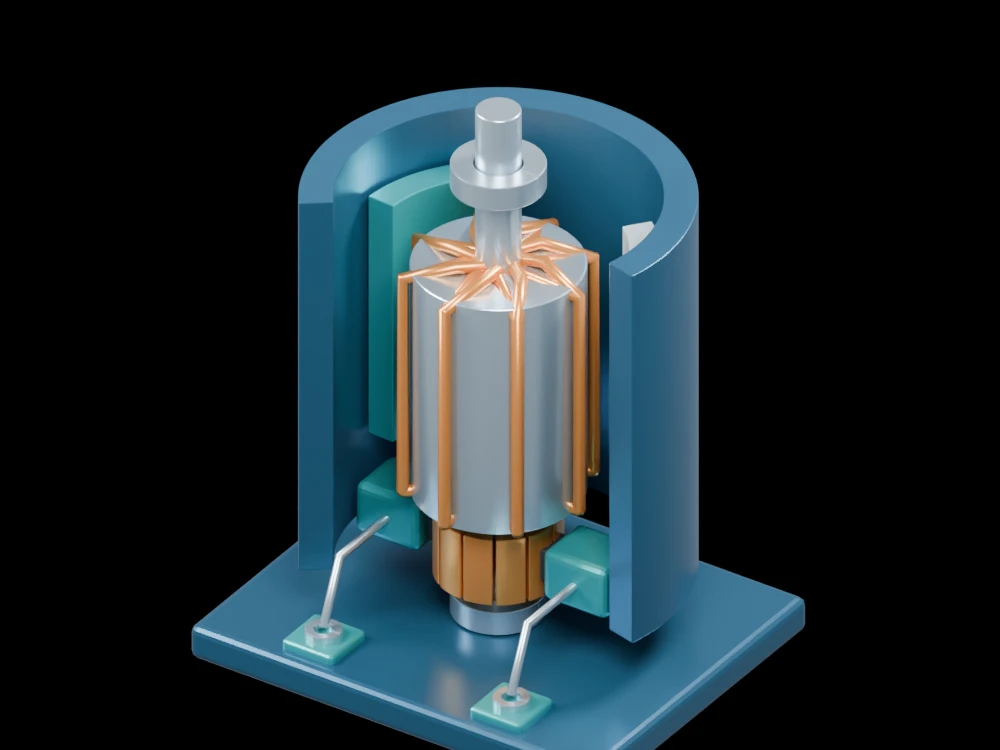 Changing a motor's magnetic geometry tackles a narrow noise peak
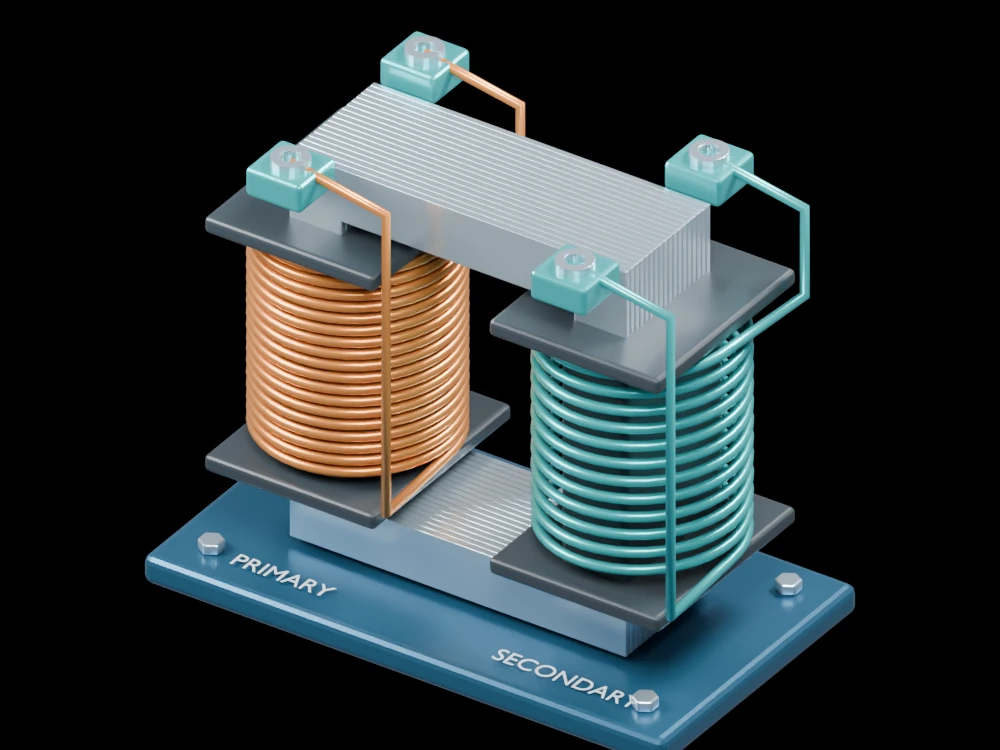 A 100 kW solid-state transformer reaches 98.57% efficiency in testing
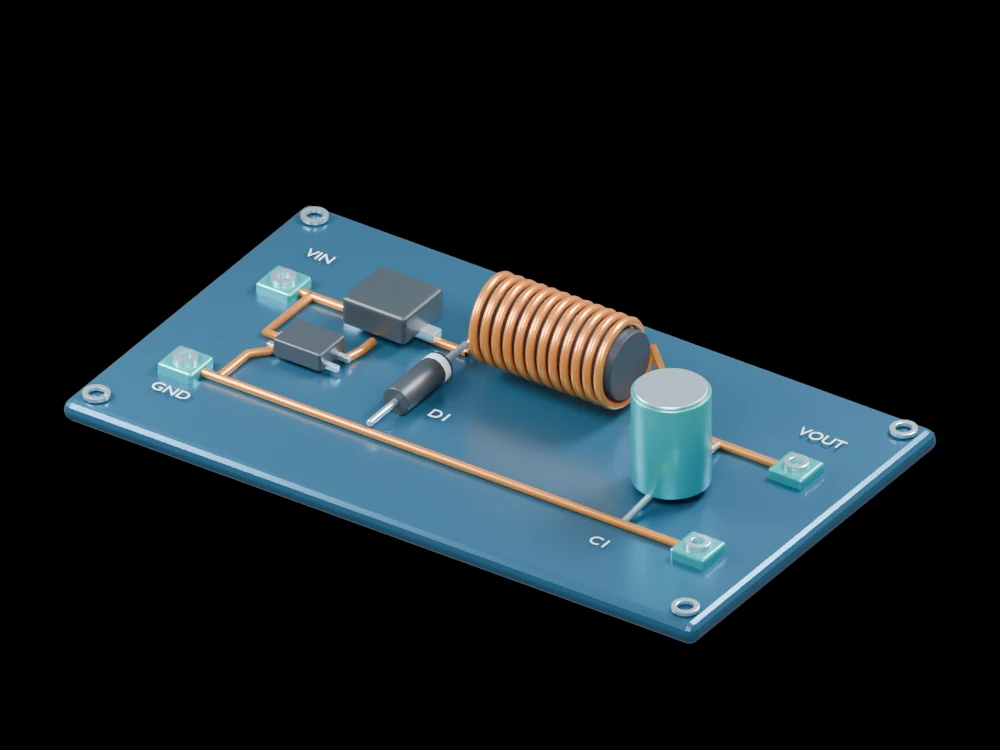 Boron arsenide draws heat from working GaN transistors
 A camera learns the motion map needed to control very different robotsA new representation makes changing robot contacts easier to predict
 Dense liquid-metal coils combine soft actuation, sensing and communicationA DNA clutch lets a magnetic nanomotor engage and disengage its rotorElastic electromagnetic mechanisms give small robots muscle-like motionElectric current drives a molecular rotor and changes its conductanceComplementary GaN logic puts both transistor types on one substrateLiquid-metal networks turn a flat elastomer into programmable 3D surfacesA magnetic composite tackles eddy-current and hysteresis losses togetherNarrow magnetic domains help an iron-rich ribbon waste less energyMagnetic-domain motion can send energy into the crystal latticeMicroscopy reveals which internal features hold a permanent magnet’s directionA vibrating resonator helps a DC converter step down voltage efficientlyBuilt-in crystal polarization helps GaN switches withstand higher voltageRobots learn a predictive body model by watching their own movementsA robot can prevent slipping by changing its path instead of only squeezing harder
 A rotating magnetic field steers crystallisation toward finer soft magnetsSoft robots steer their shape by combining local electromagnetic vectorsFriction consolidates brittle magnetic powders in a single processing stepEngineered interfaces let magnetic particles couple without the usual loss penalty
 Nanoscale spin rectifiers turn weak radio signals into useful powerAn alloy becomes mechanically strong while remaining magnetically softA superconducting chip brings full-wave rectification into the coldElemental tellurium turns radio signals into a tunable room-temperature outputTin telluride rectifies signals from megahertz to terahertz without external biasTiny manufacturing deformations can disturb the magnetic structure of motor steelNanoprecipitates push ductile soft magnets toward two-gigapascal strength
 An electrically heated foam brings heat inside a catalyst bedA quantum material rectifies signals from radio to terahertz bandsA two-phase buck converter tackles the light-load efficiency problemMatched motor tests connect higher efficiency with lower heat